PROJECTS
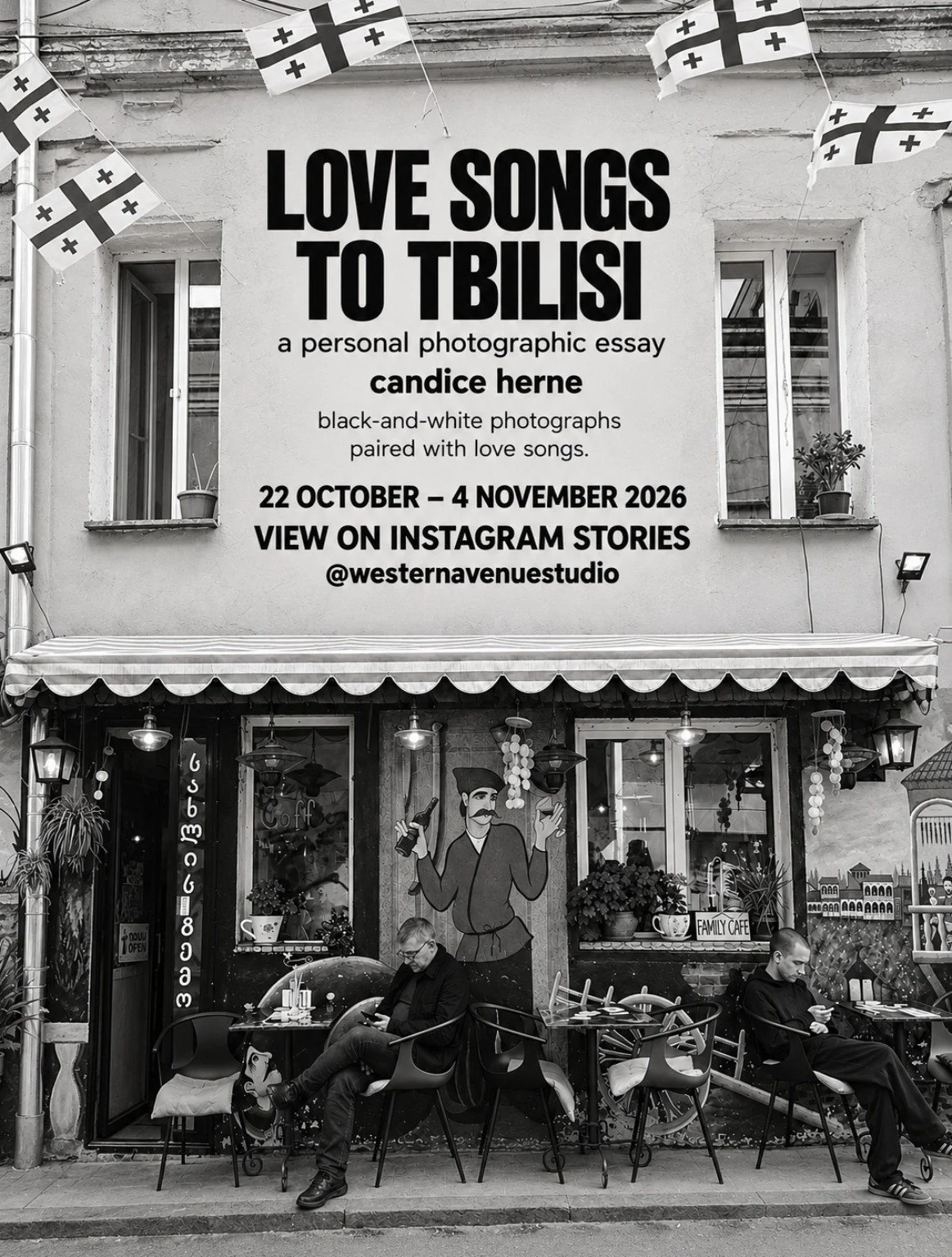
LOVE SONGS TO TBILISI
Project Review. Artist Reflection. Selected Images.
Presentation: Instagram Stories. Western Avenue Studio
Exhibition dates: 22 October – 4 November 2026
Format: Online interactive photographic essay comprising 180 black-and-white images paired with love songs
PROJECT OVERVIEW
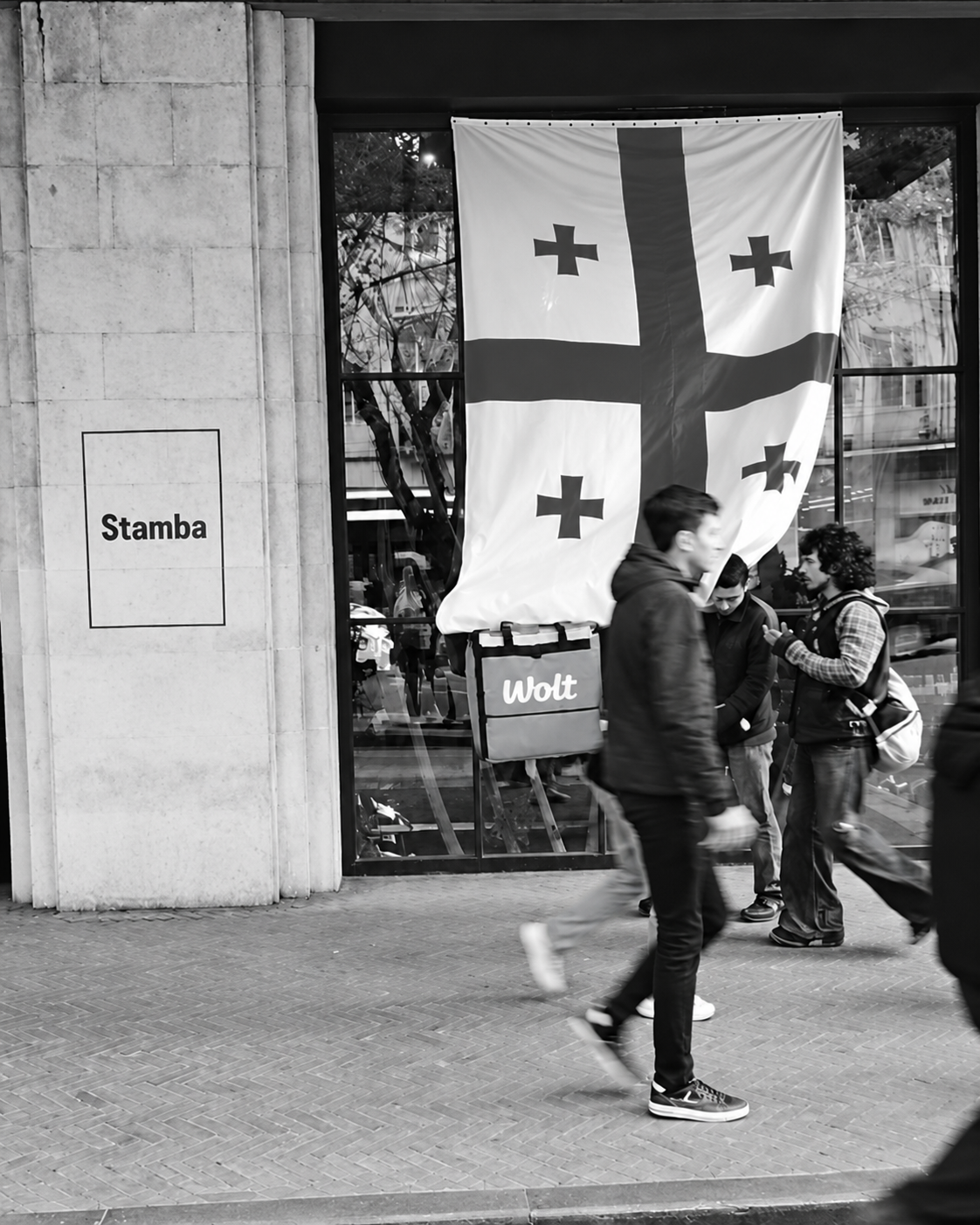
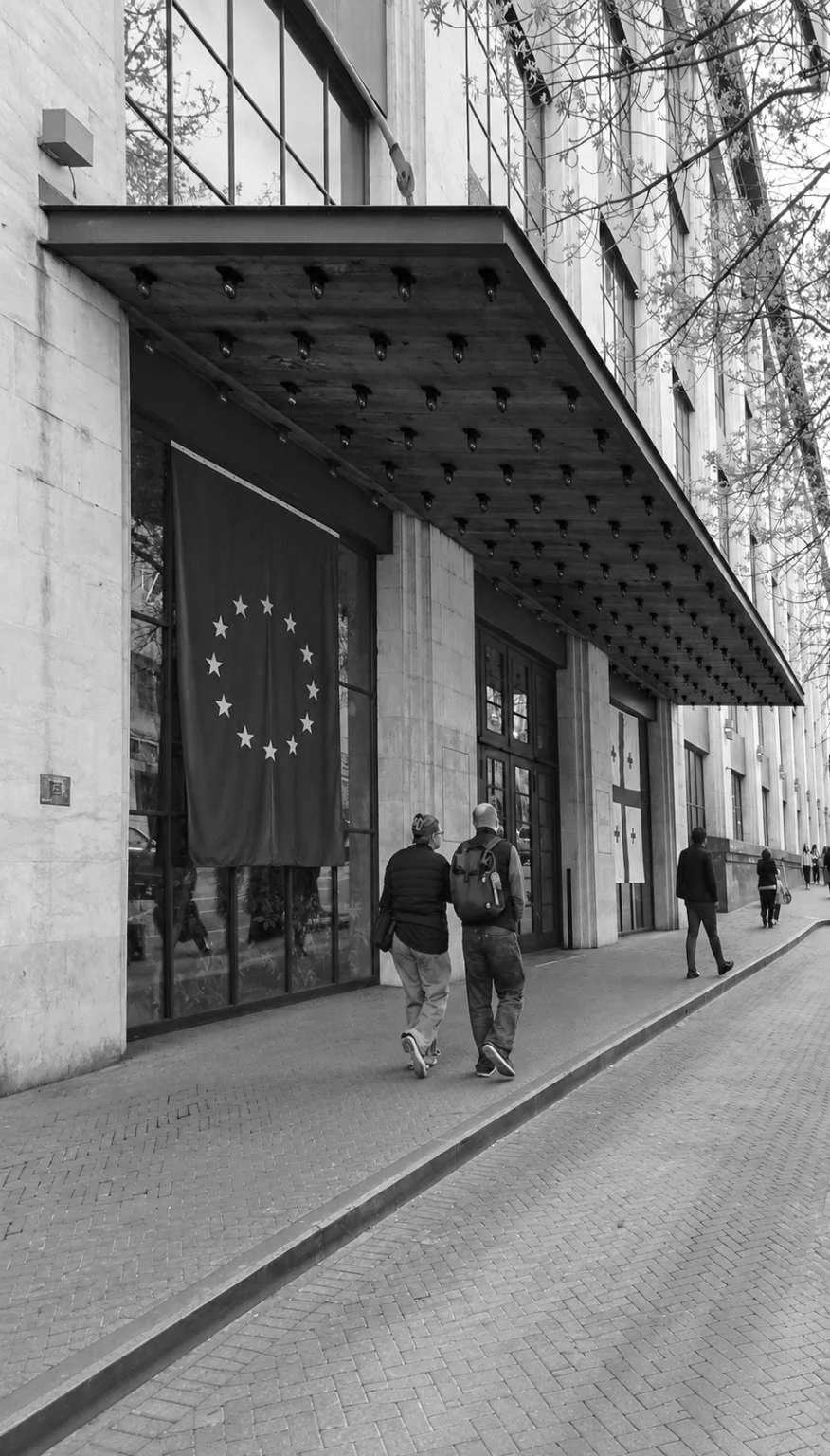
Love Songs to Tbilisi explored the relationships we form with unfamiliar places, and how affection, uncertainty and belonging can exist together. Created from my experience of living in Georgia, the photographic essay presented Tbilisi through my eyes as an Australian artist encountering the city’s everyday life.
Presented over two weeks through Instagram Stories, the project combined portrait and street photography with music to create an unfolding visual and emotional narrative. It continued my broader exploration of identity, belonging and cultural connection through everyday life and shared rituals.
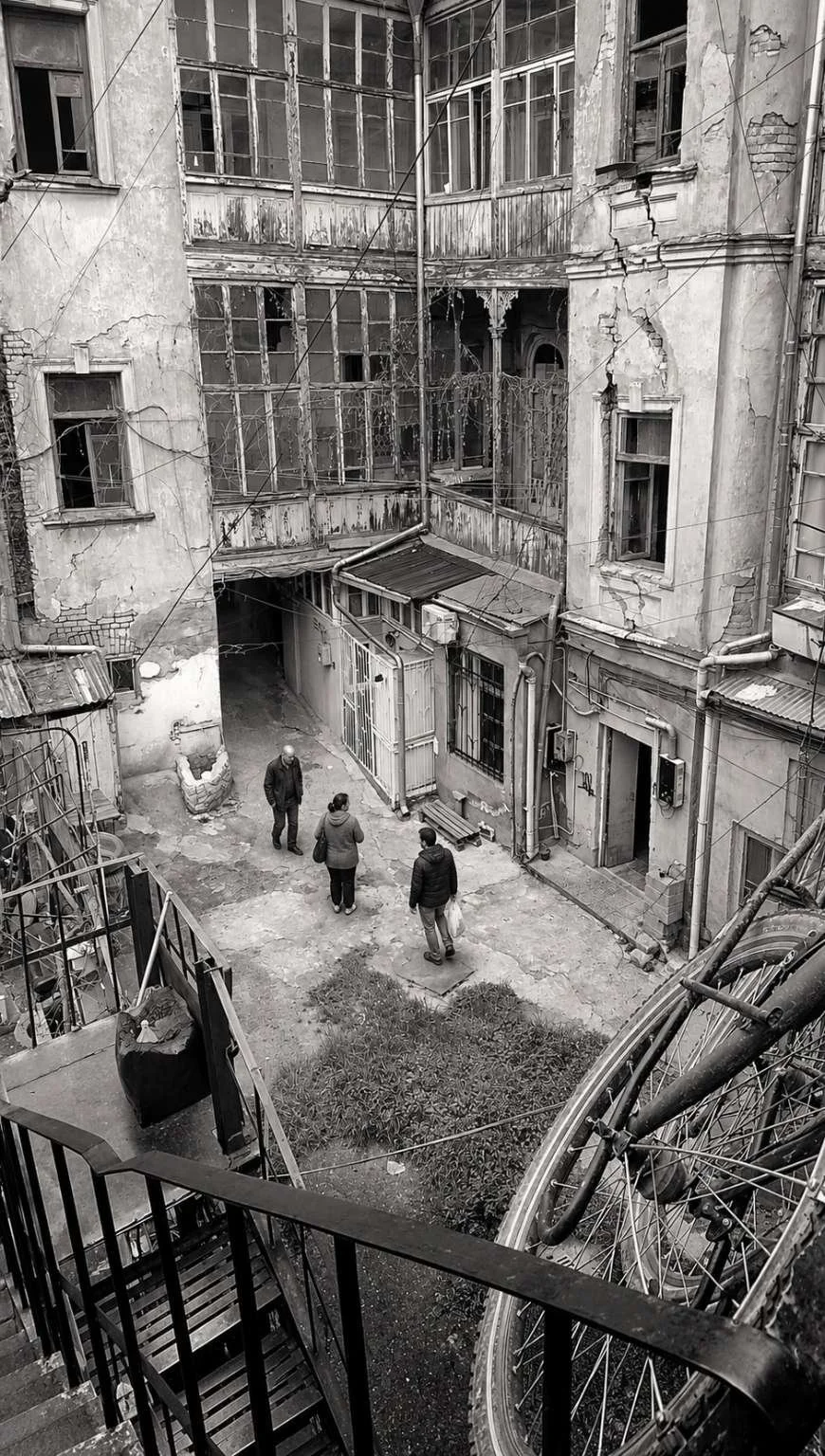
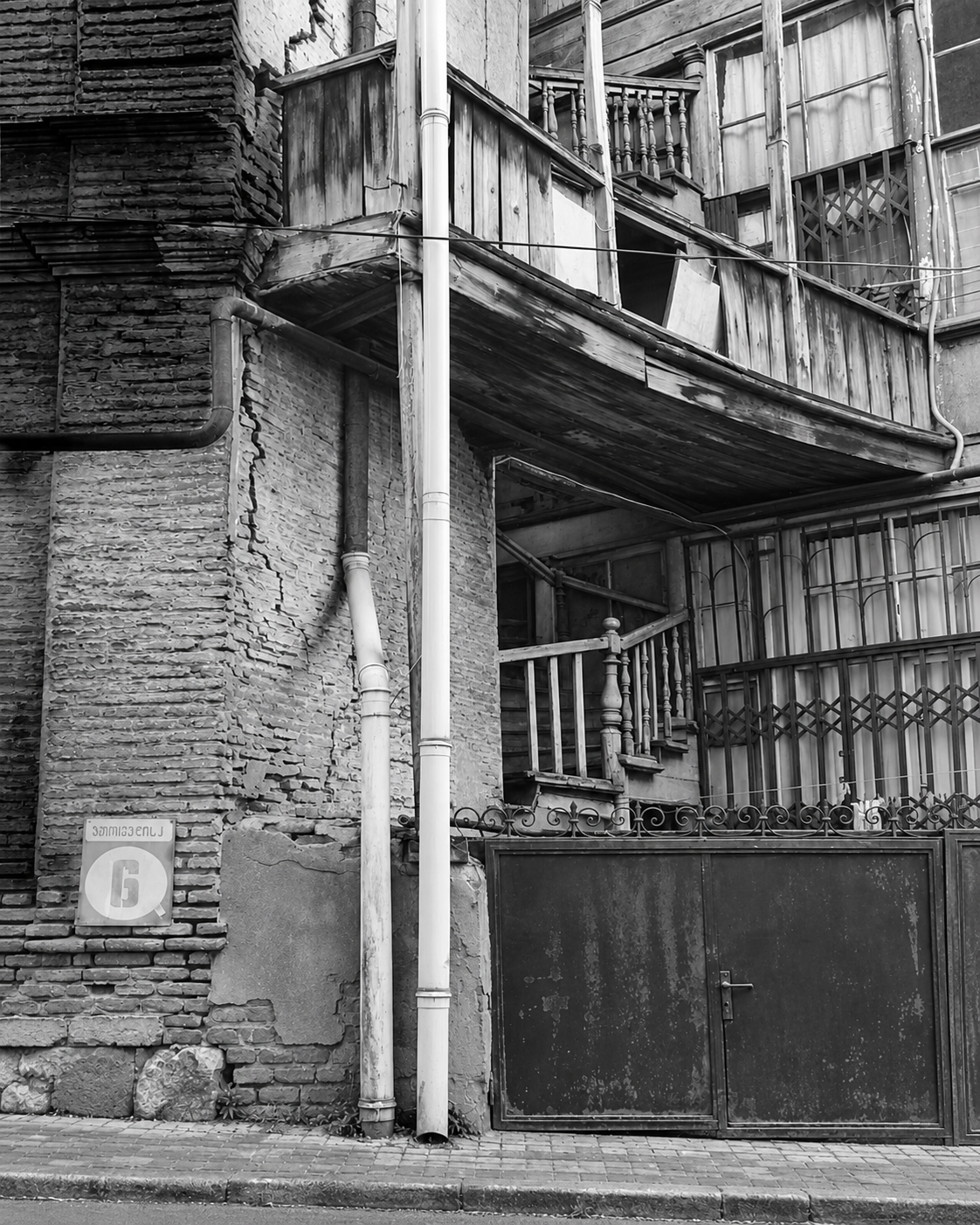
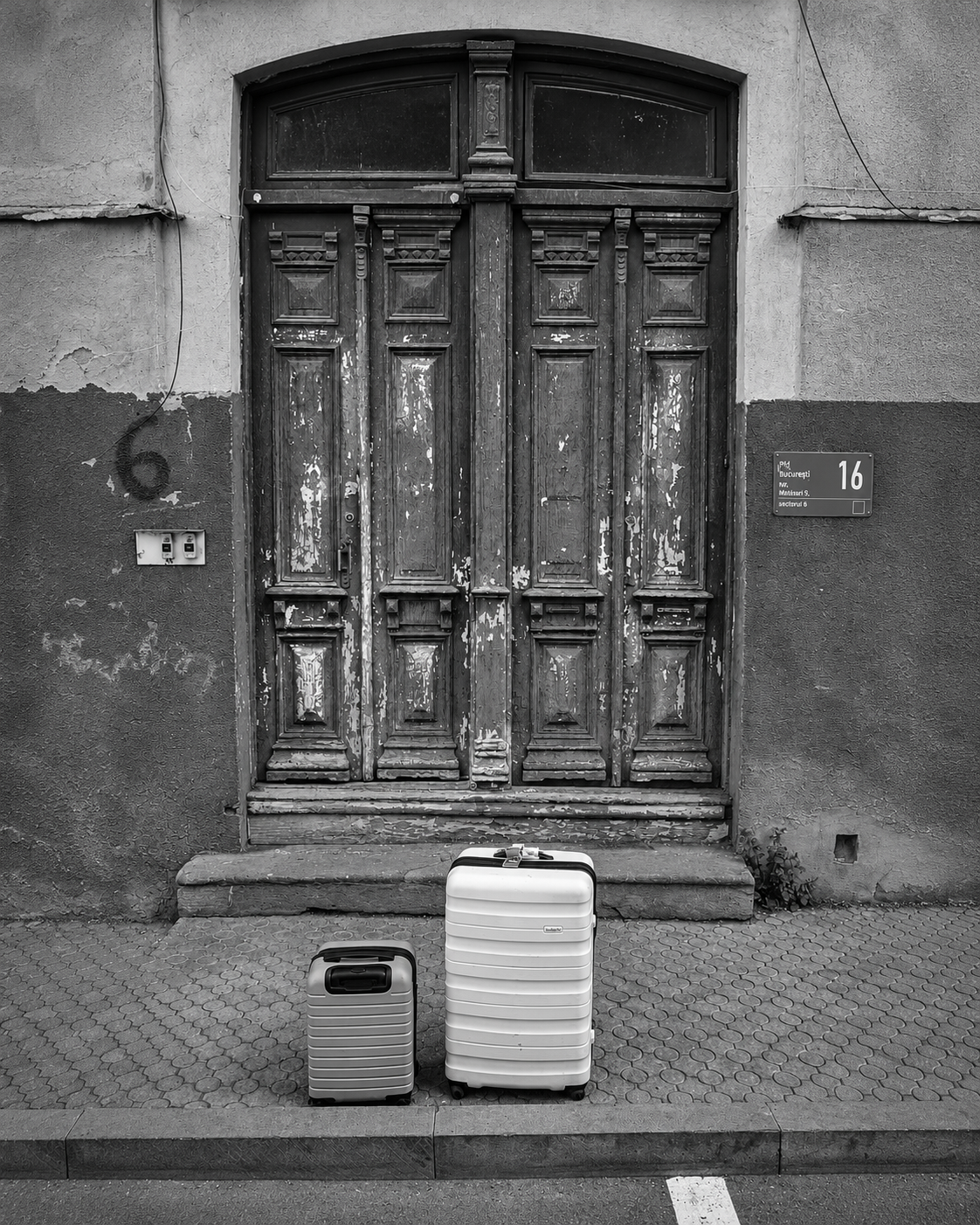
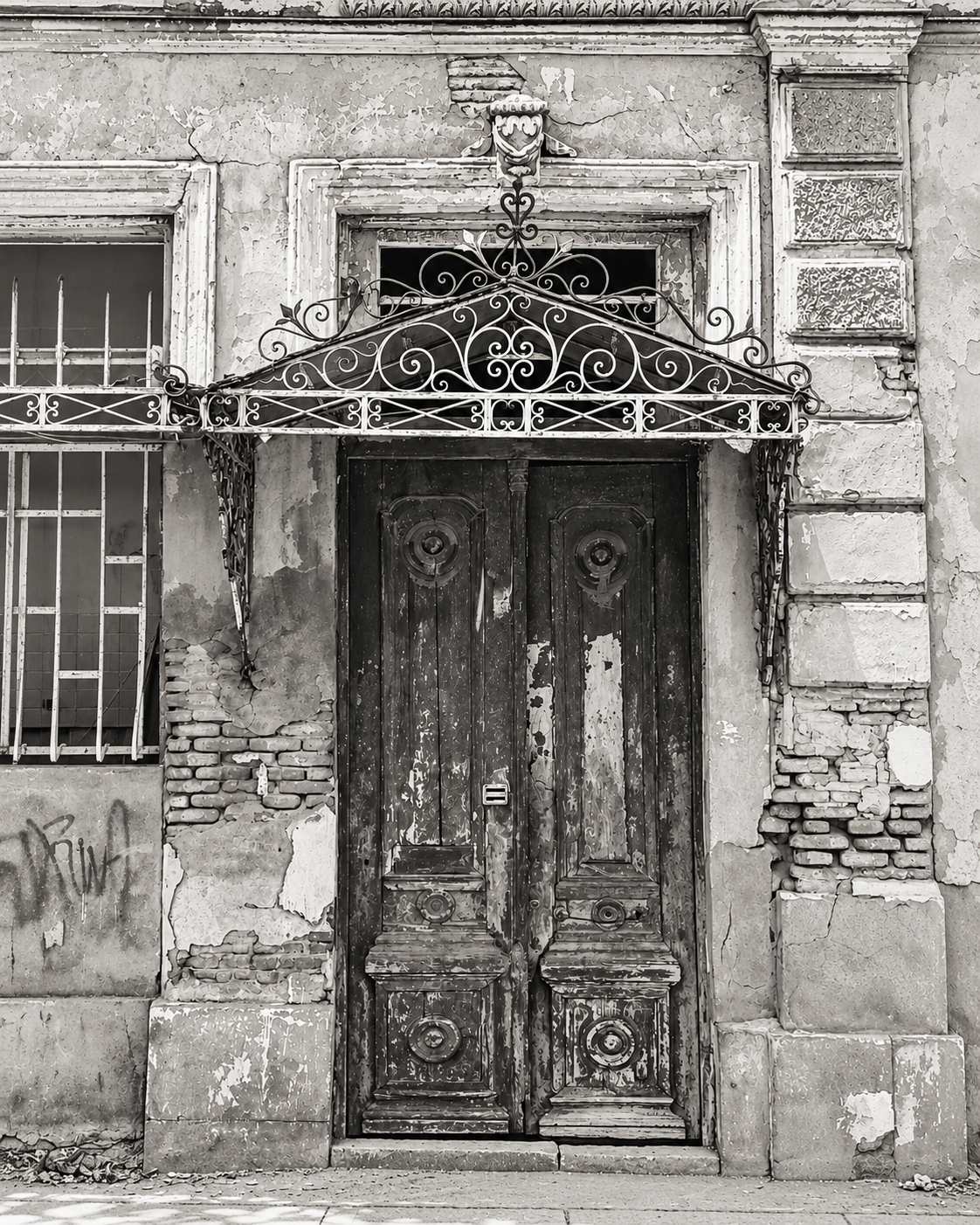
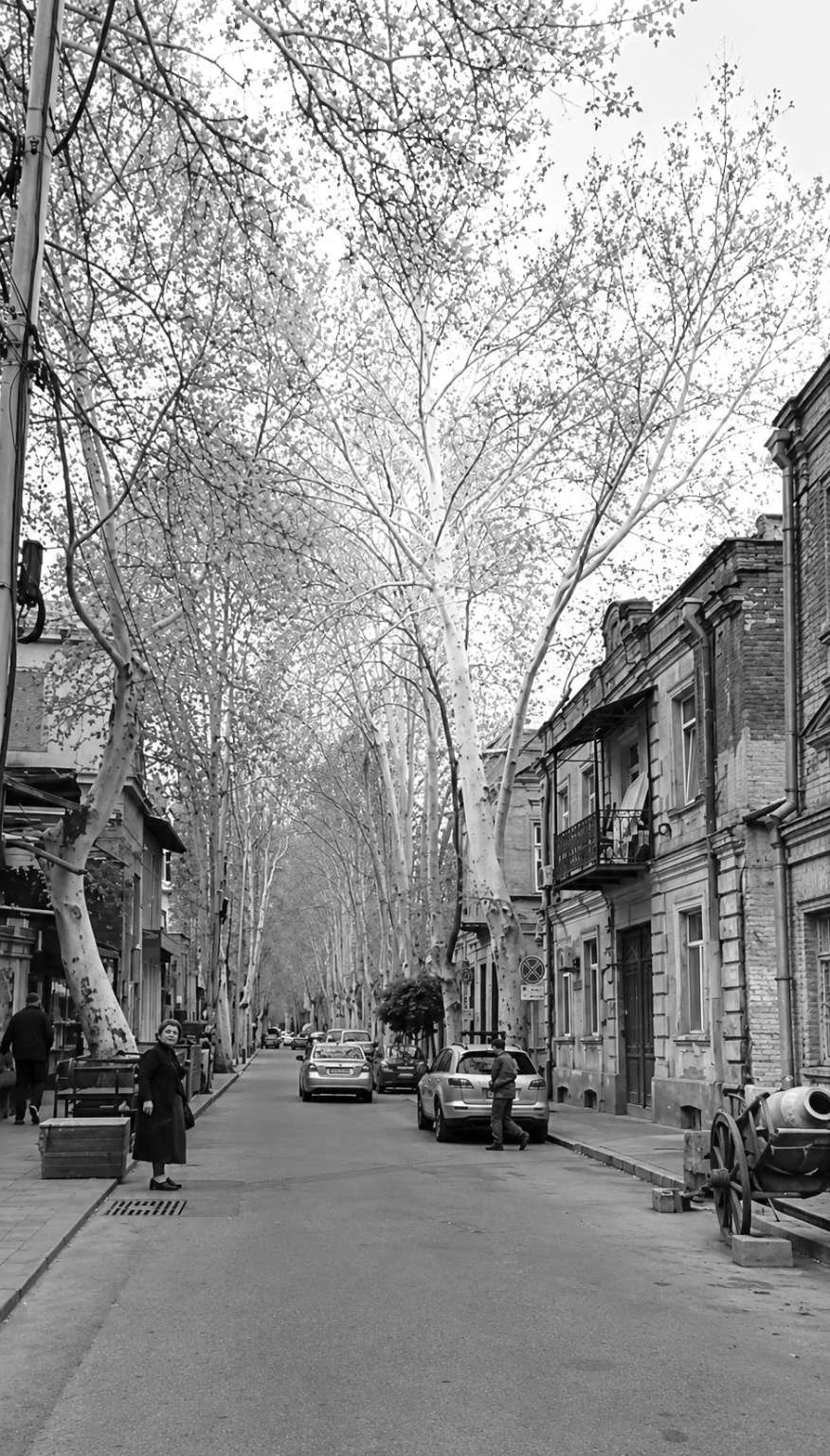
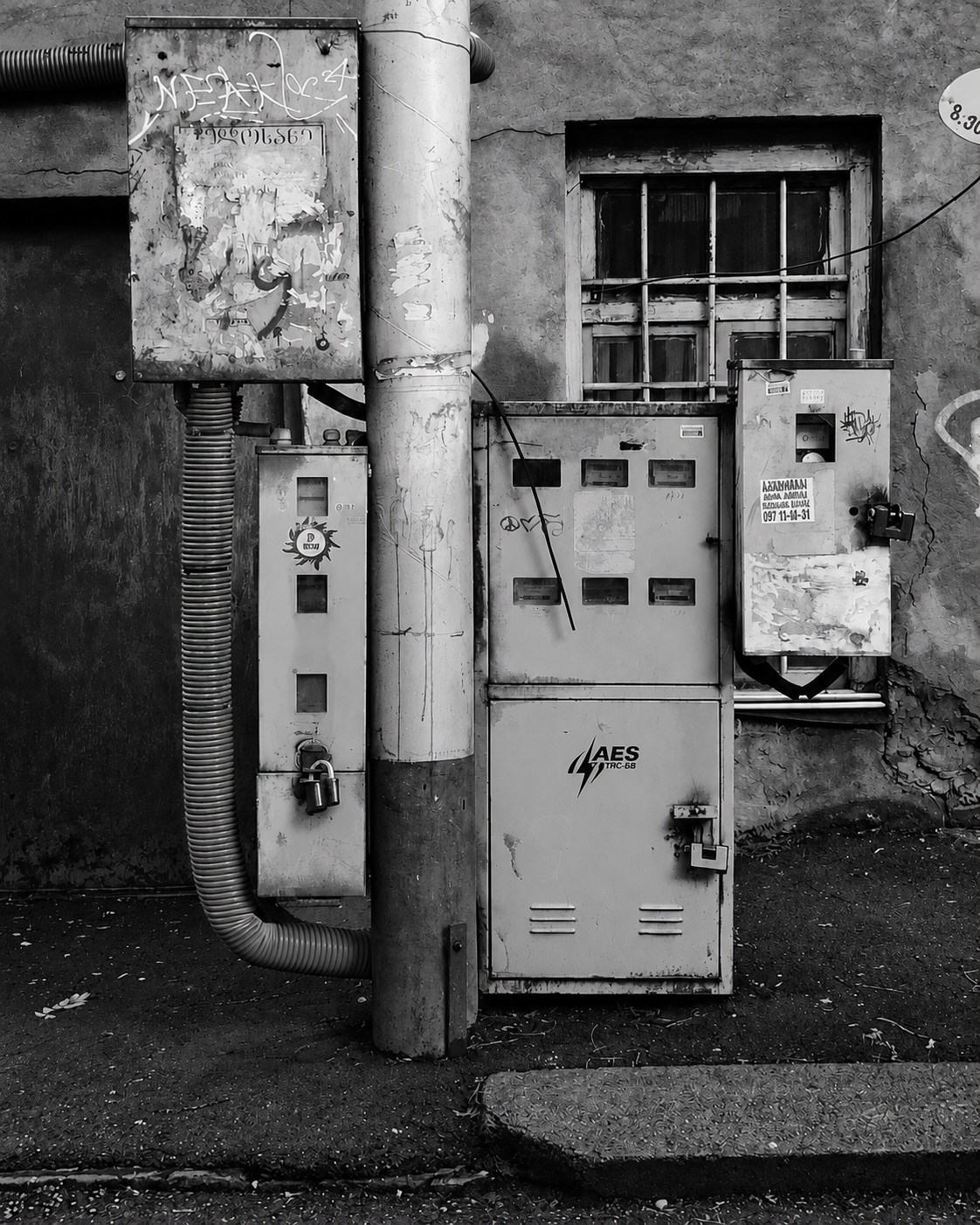
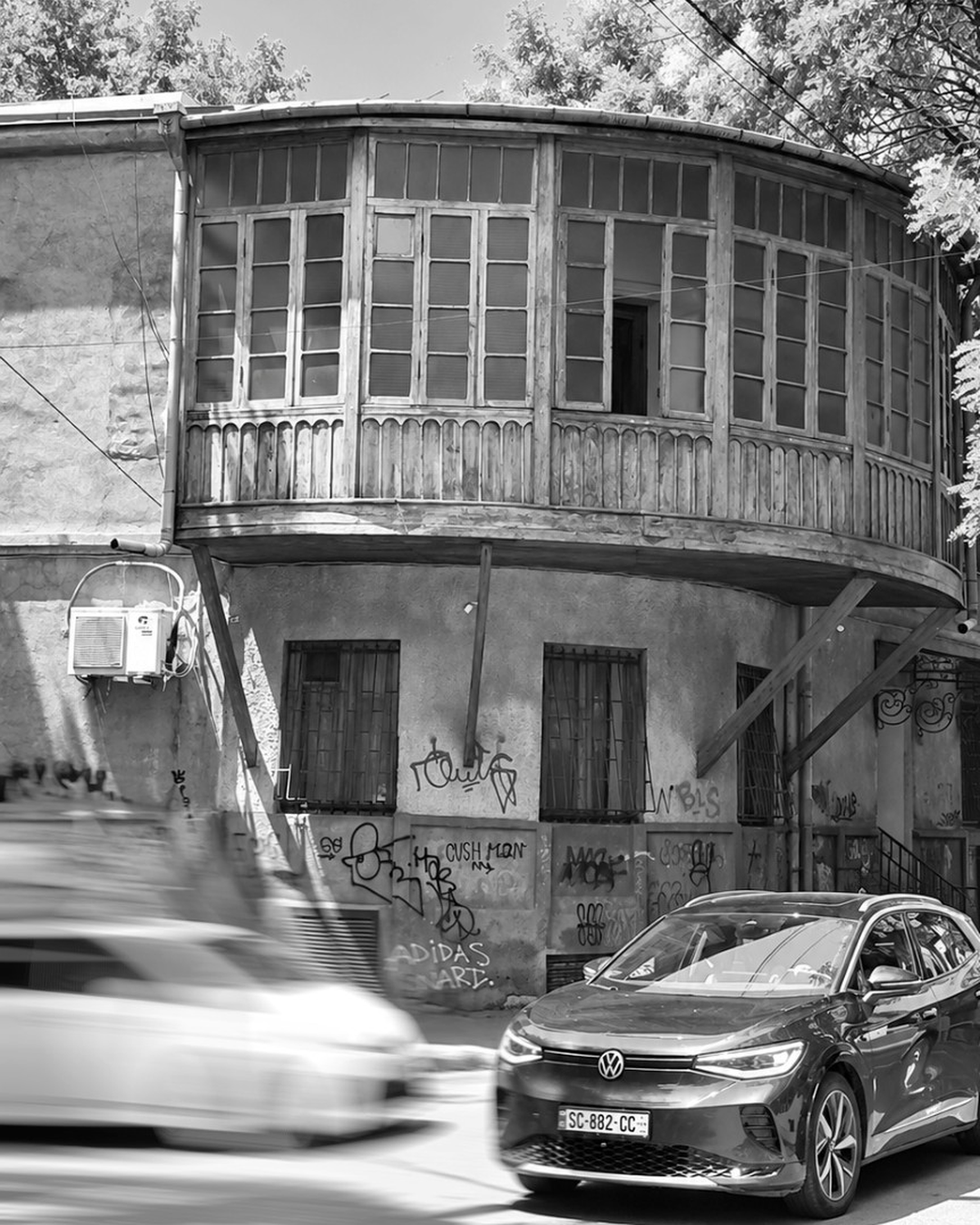
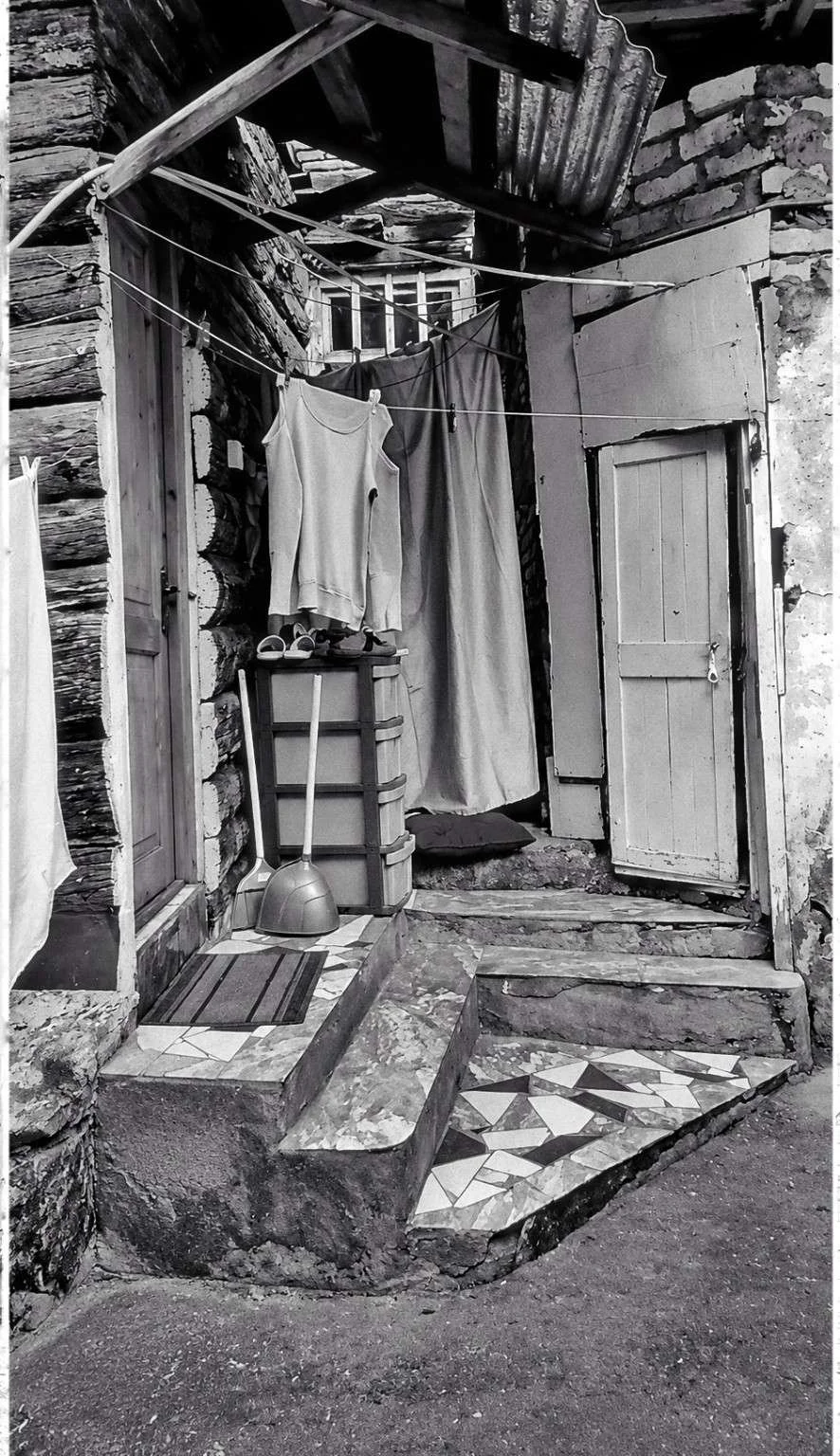
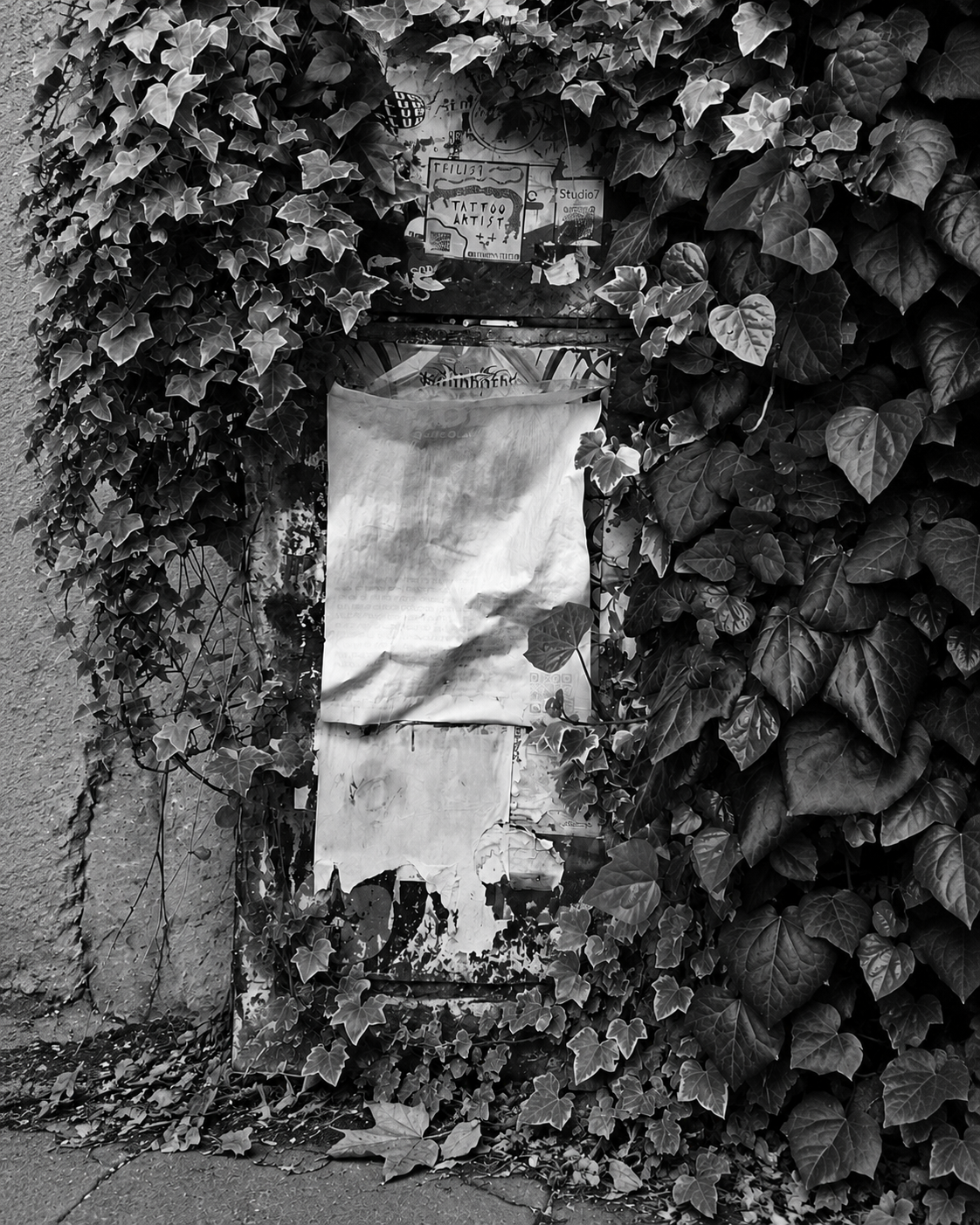
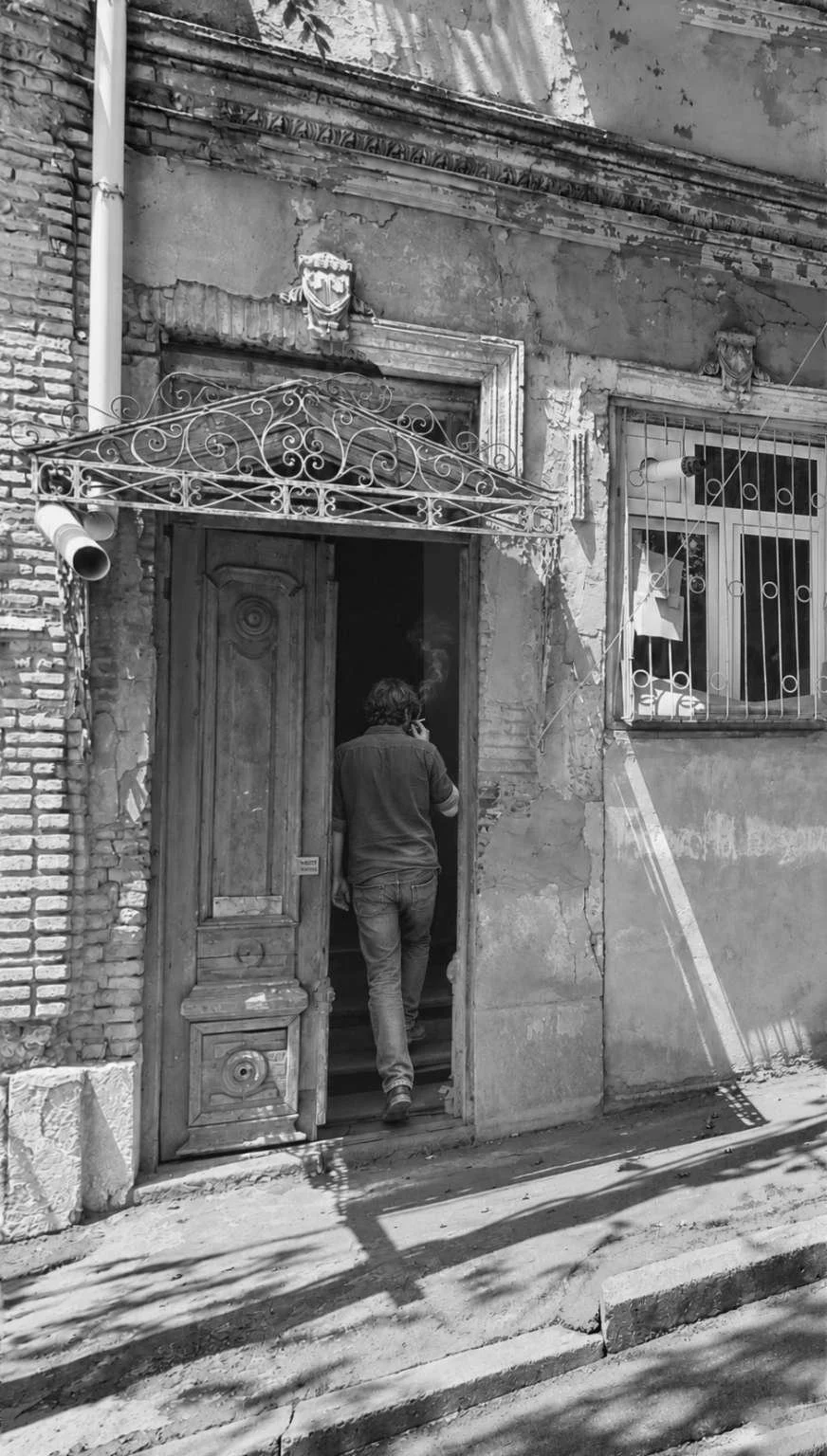
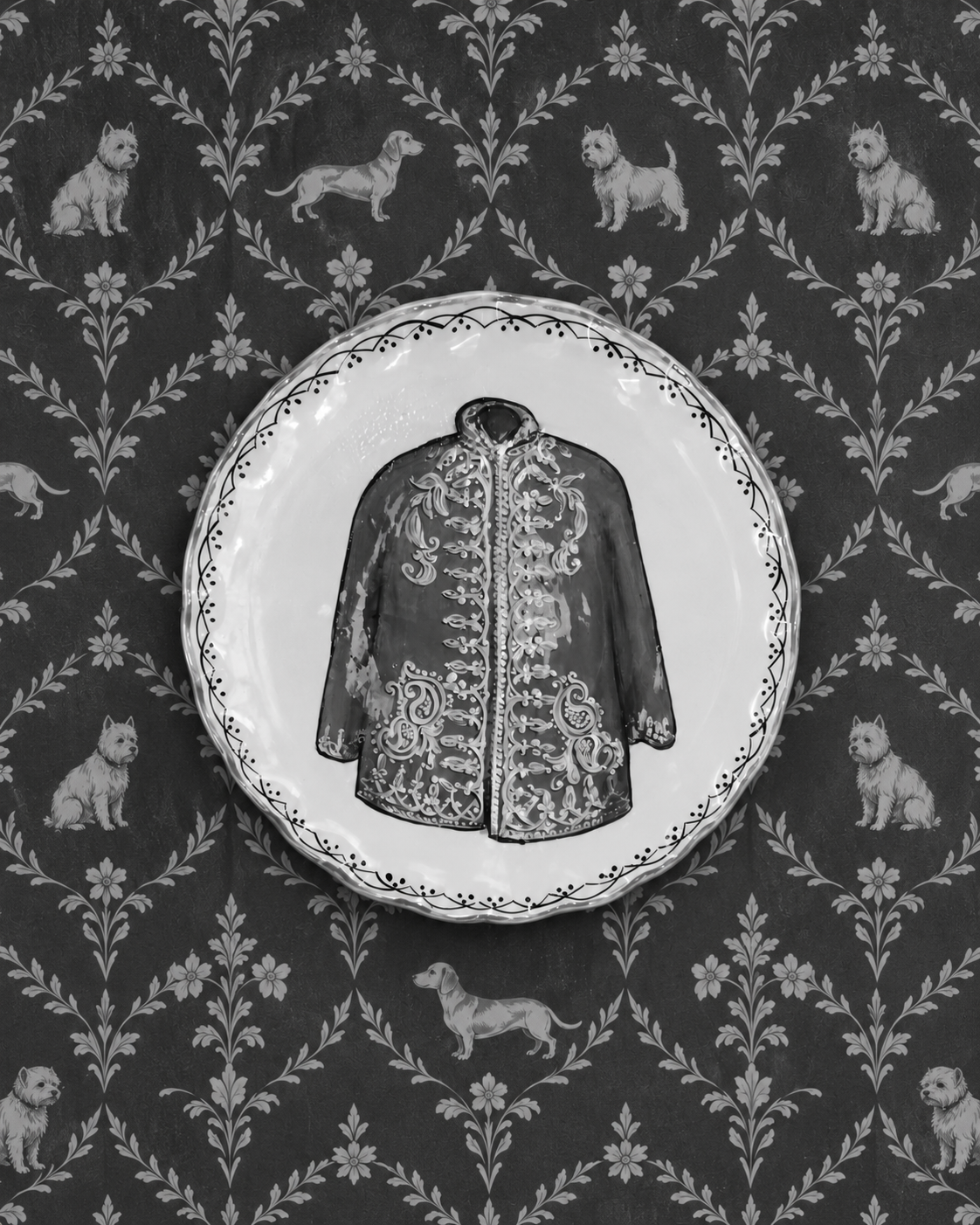
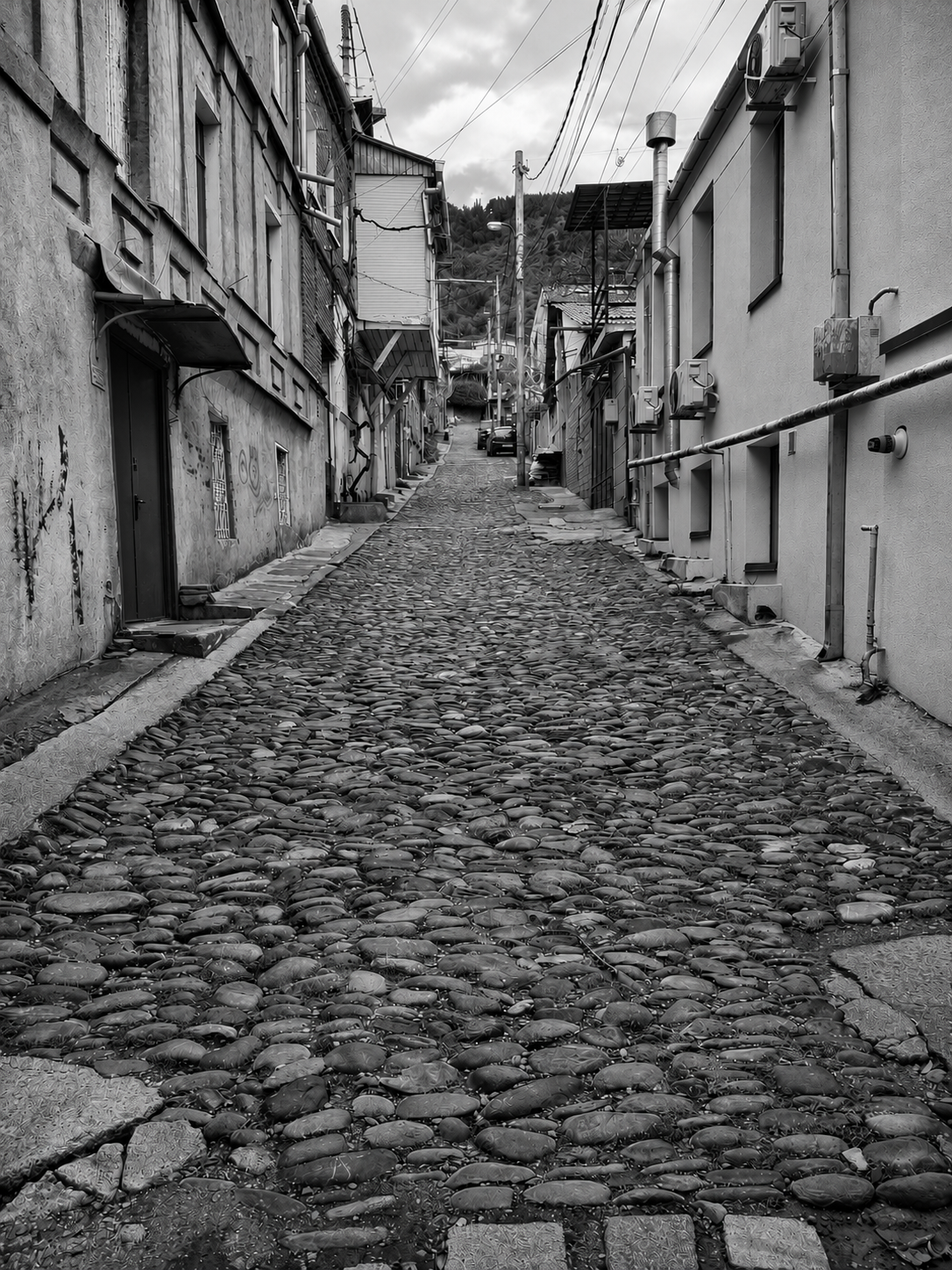
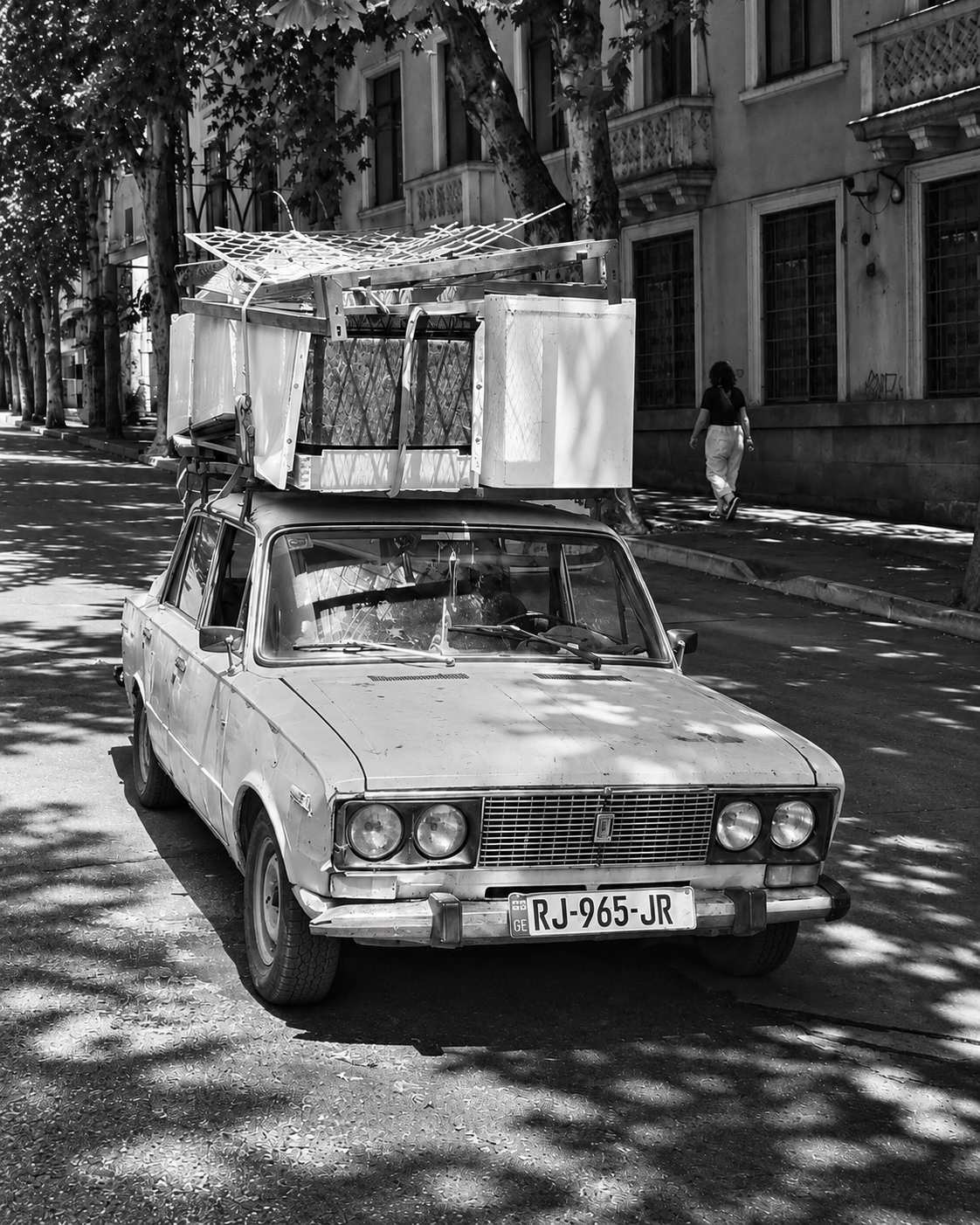
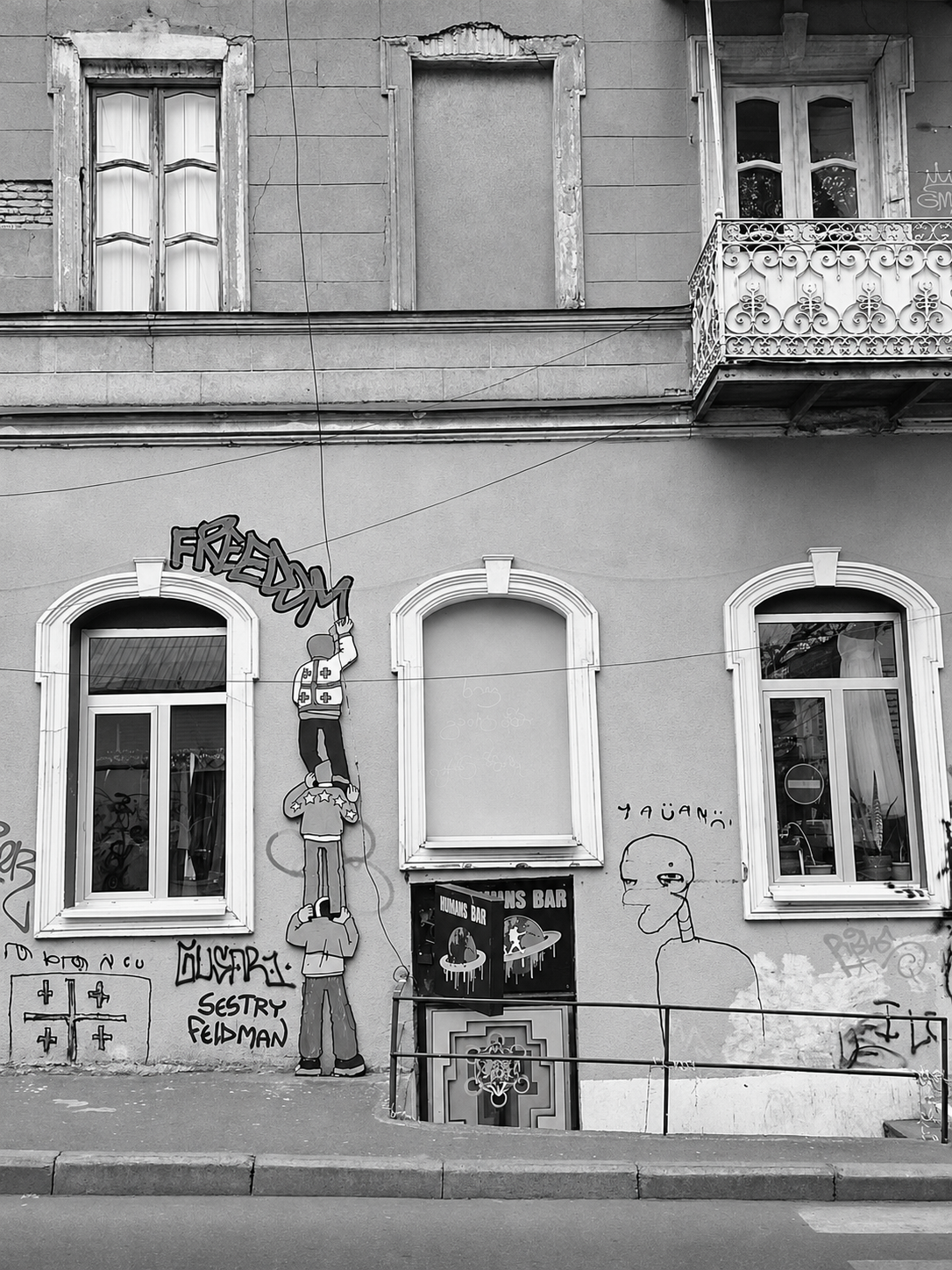
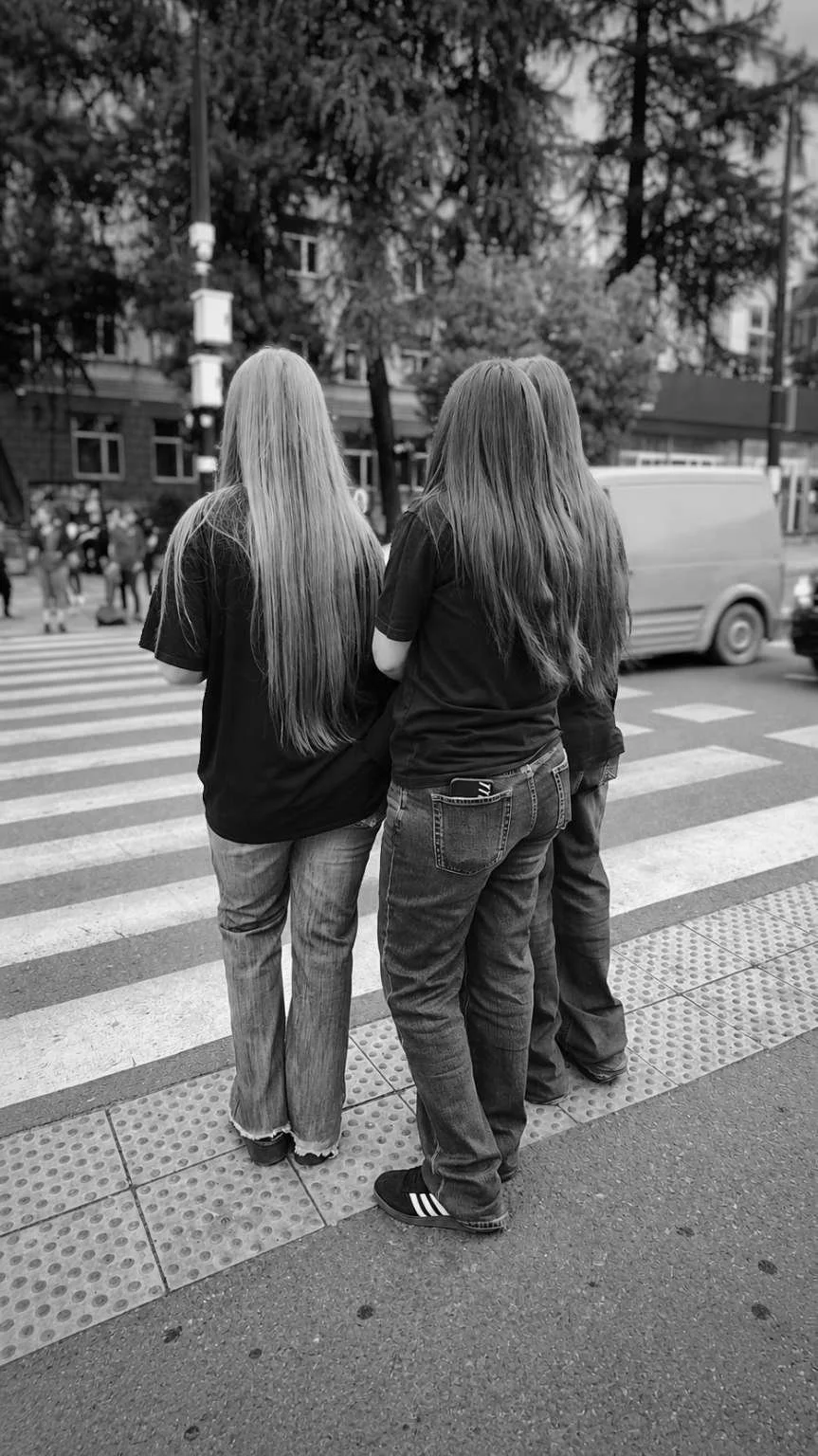
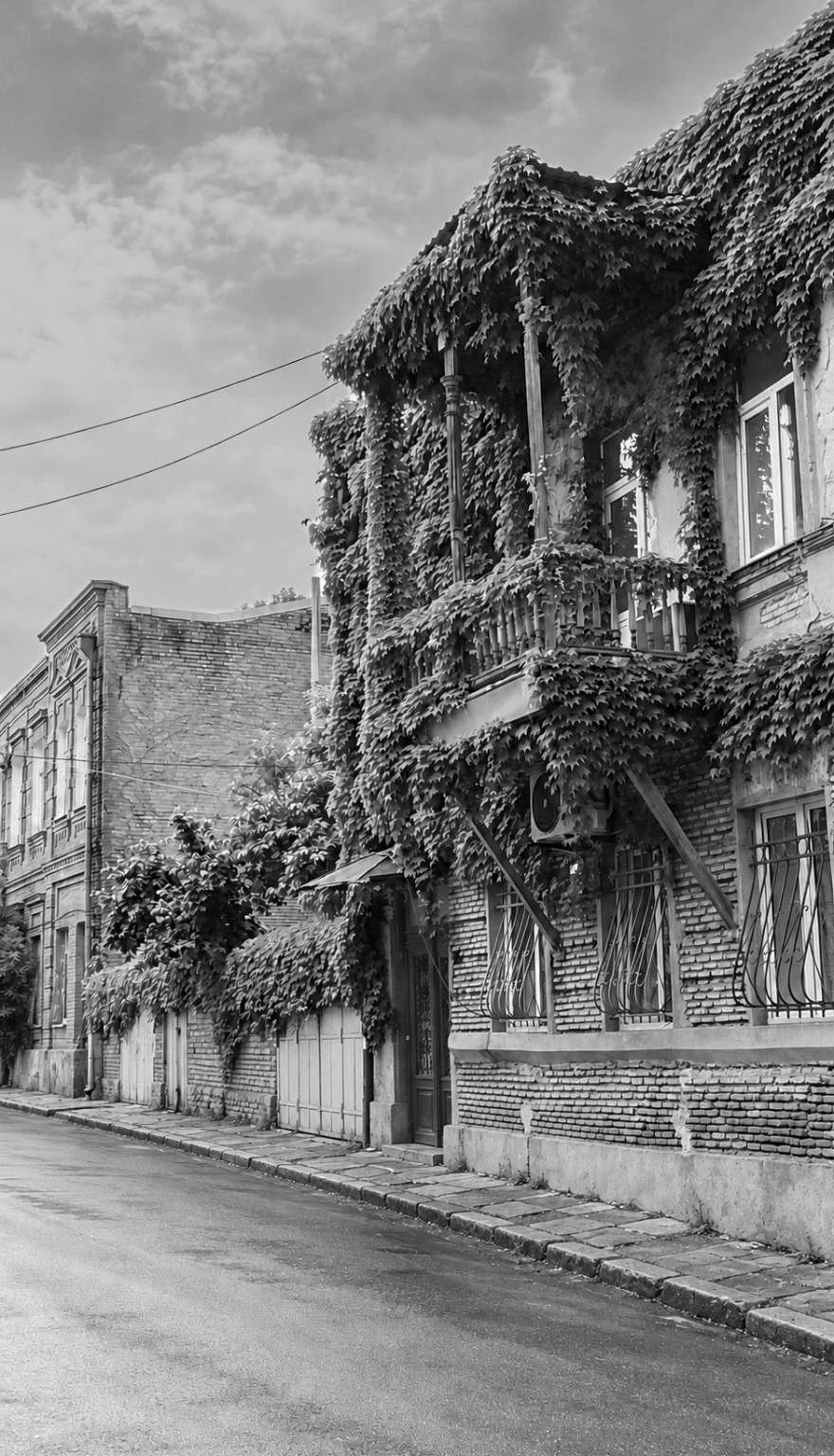
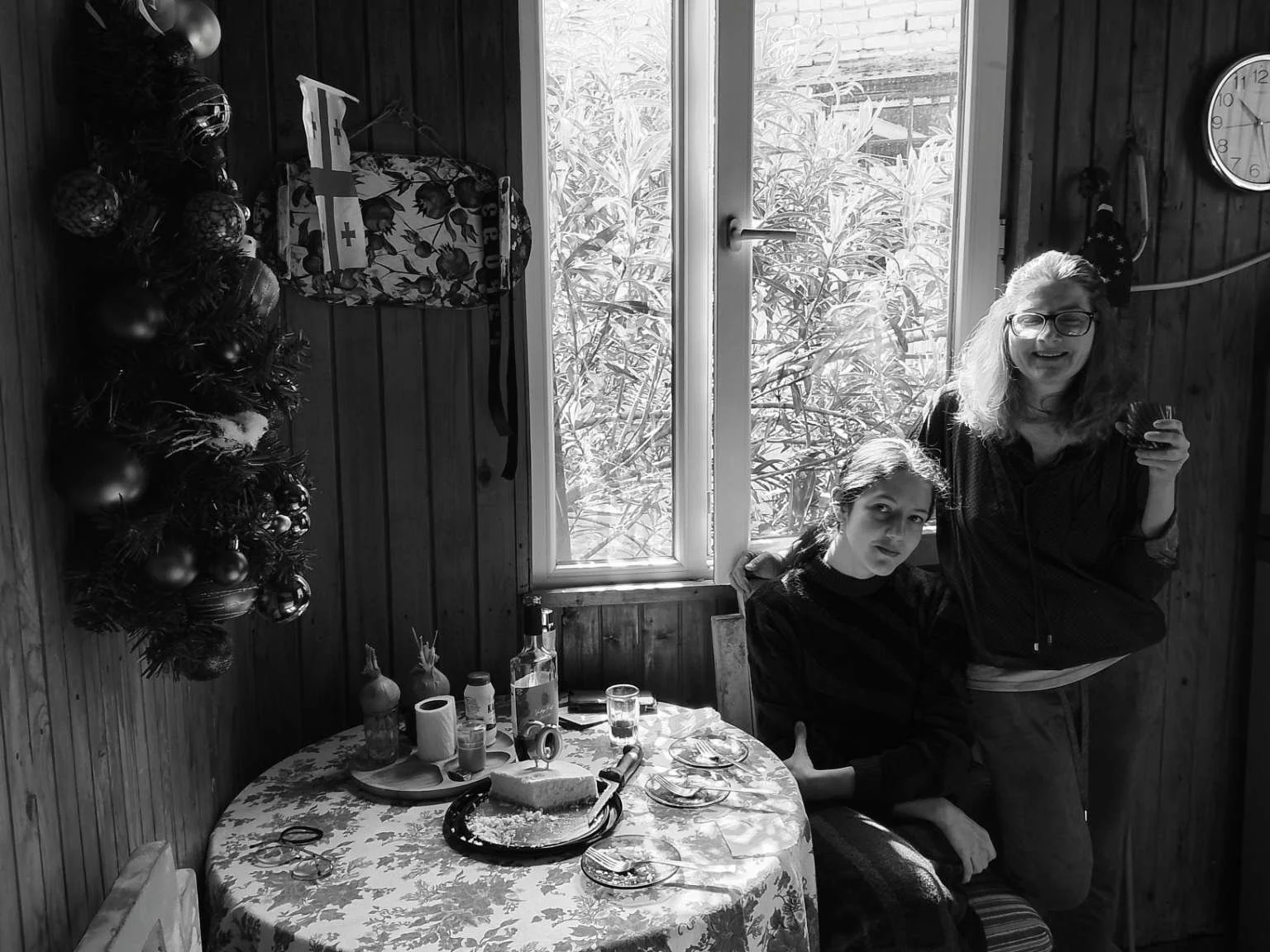
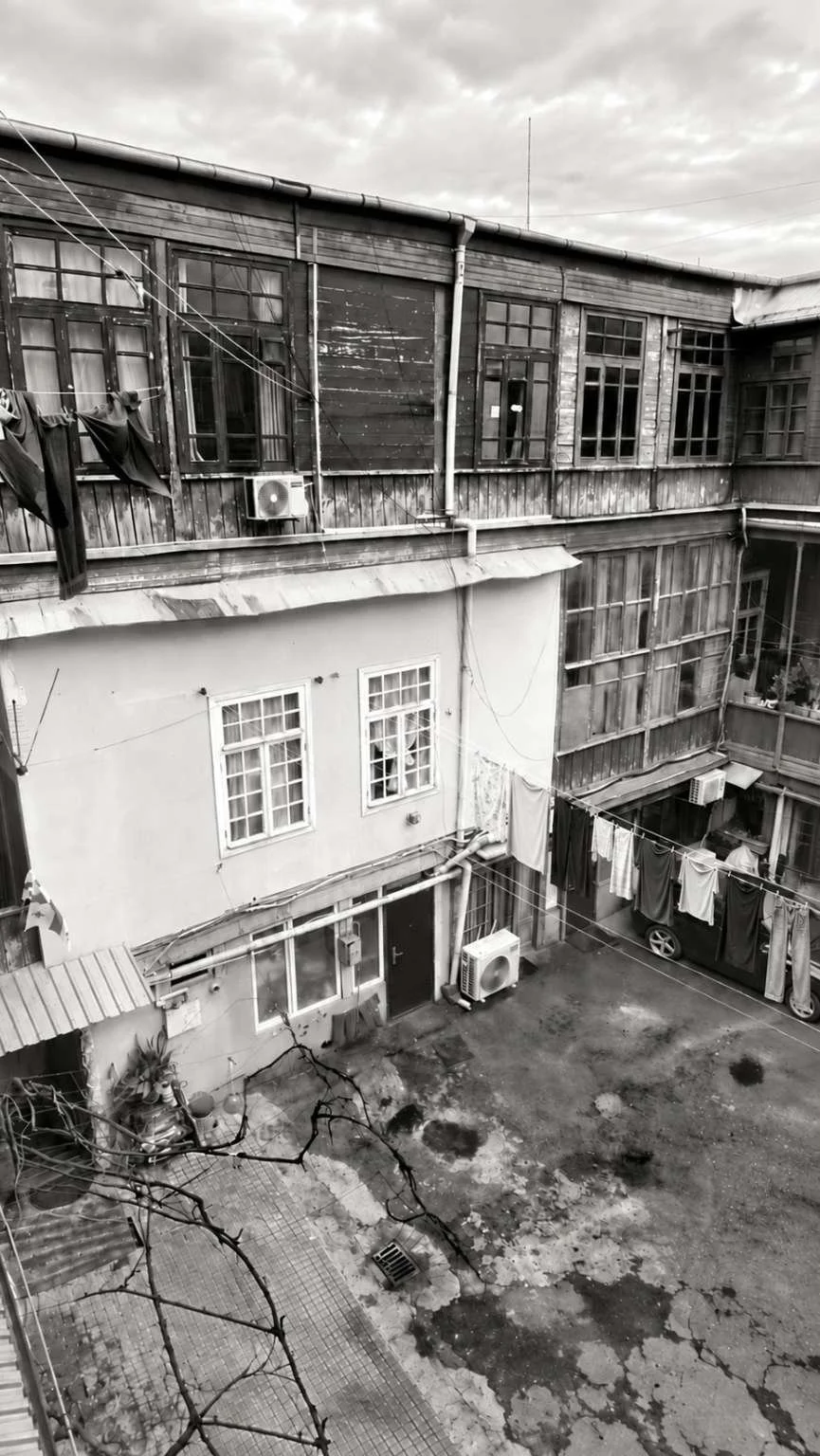
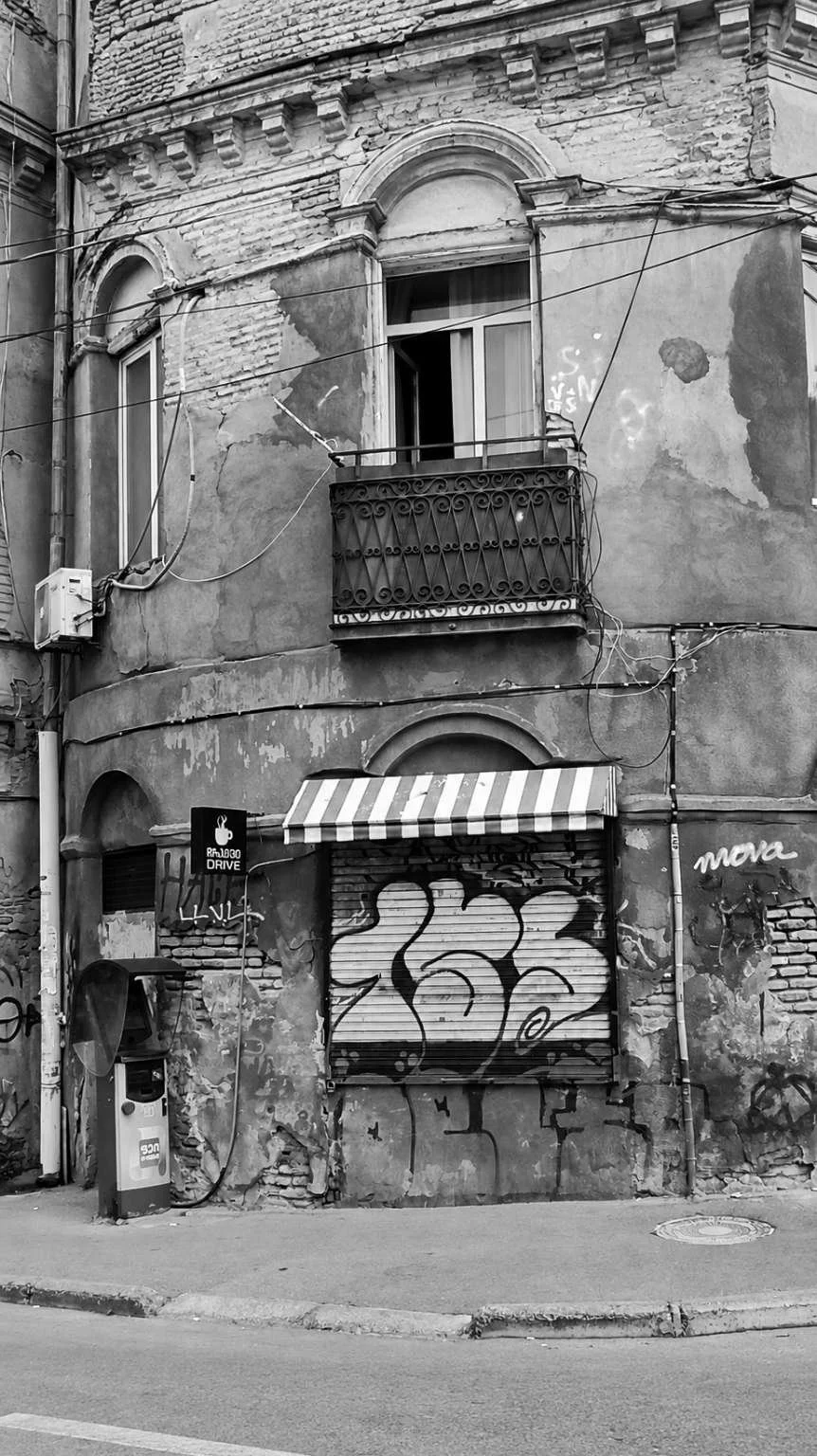
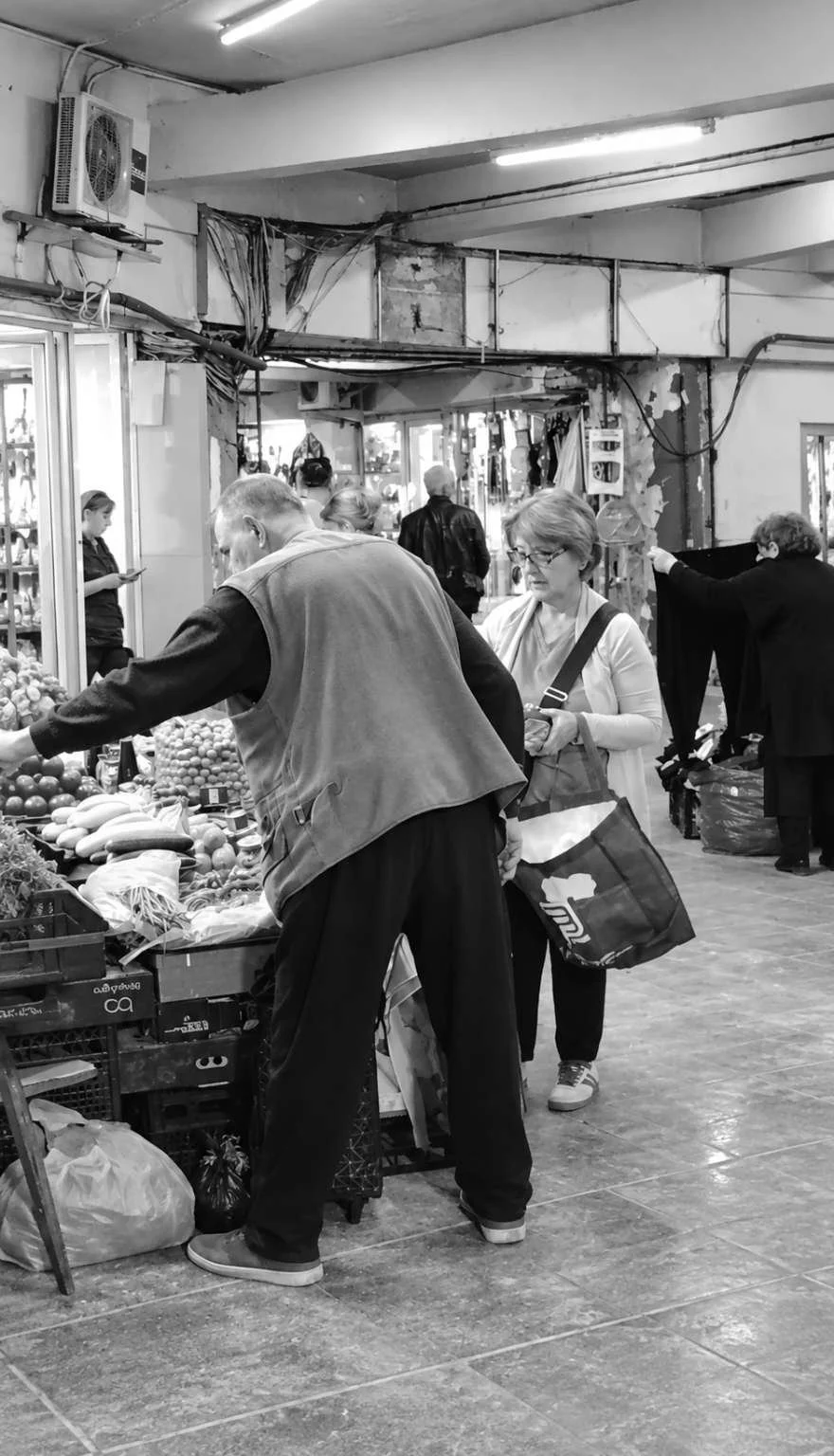
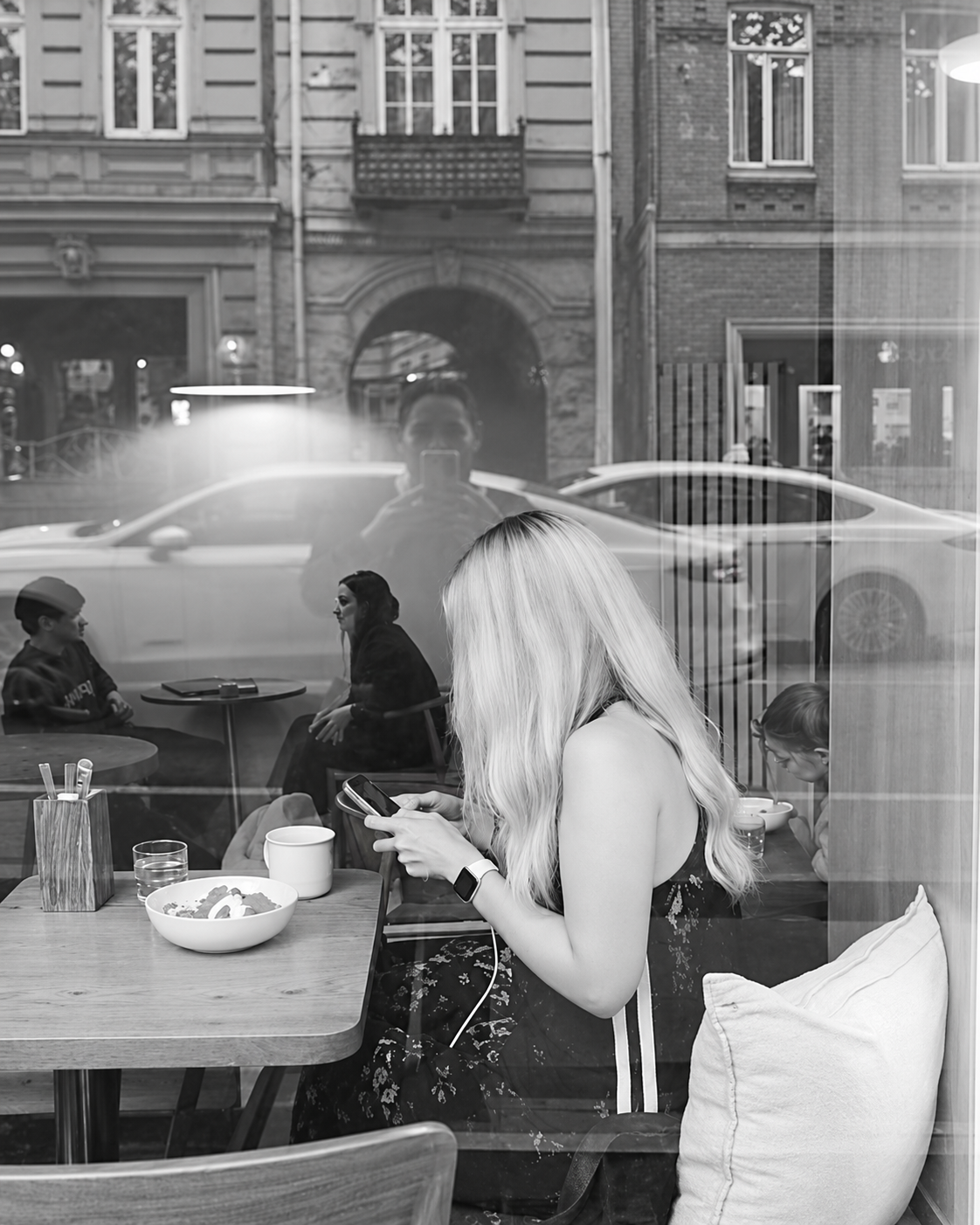
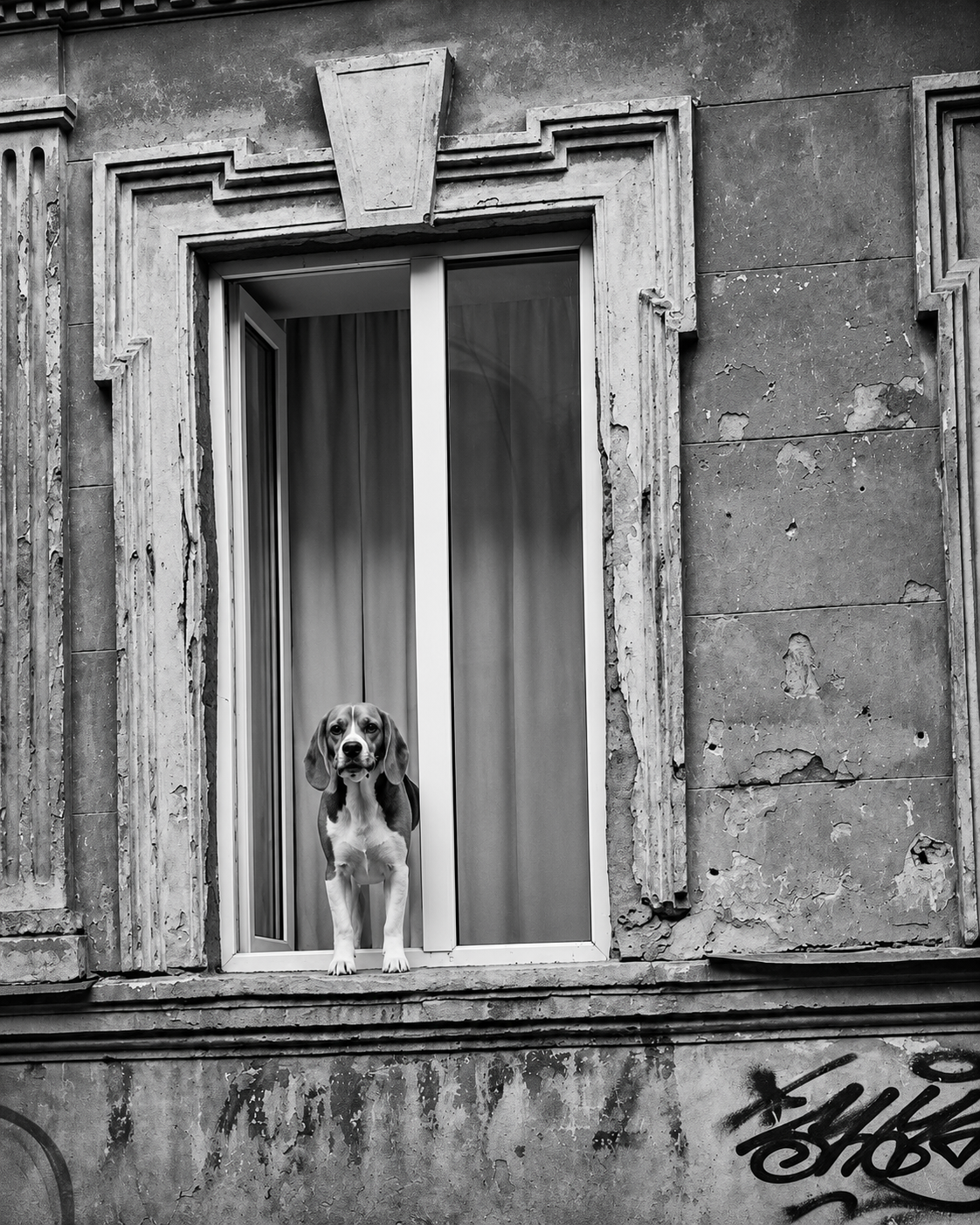
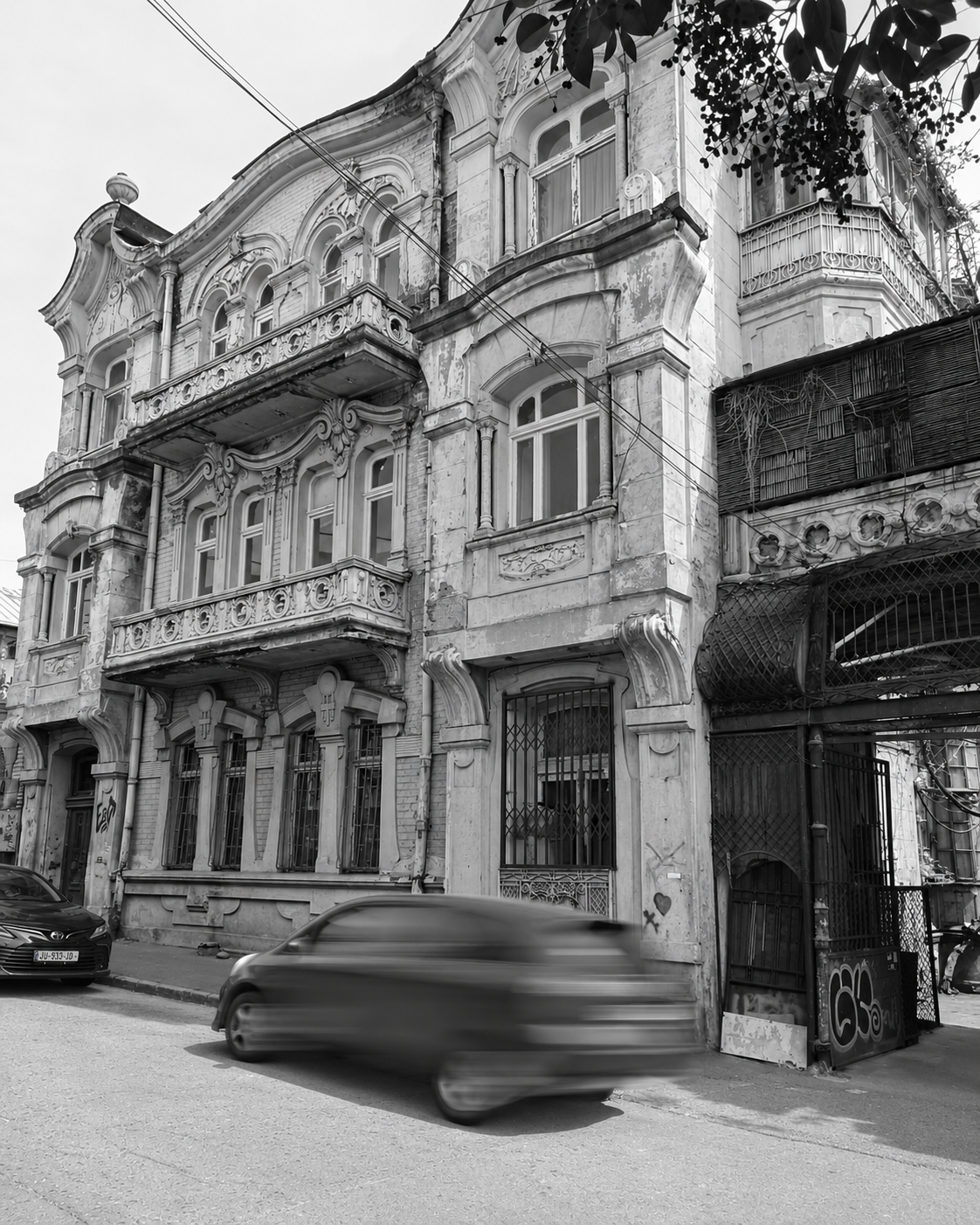
My attention was drawn to weathered buildings, people, domestic arrangements, communication and small gestures of care. These details became a way of exploring the relationship between public appearances and private lives. I could observe the city, become familiar with its streets and develop an attachment to it, while remaining aware of how much I did not understand.
The exhibition considered the relationship between the beauty of a place and the complexities of living within it. It also explored the emotional power of image and music together: their ability to attract, connect, unsettle and invite interpretations beyond the artist’s intentions.
CREATIVE PROCESS
The project involved selecting, editing and sequencing 180 photographs, researching music and pairing images with songs. These pairings became an intellectual and emotional exercise: listening closely, examining lyrics and considering how a photograph might extend, complicate or change the feeling of a song.
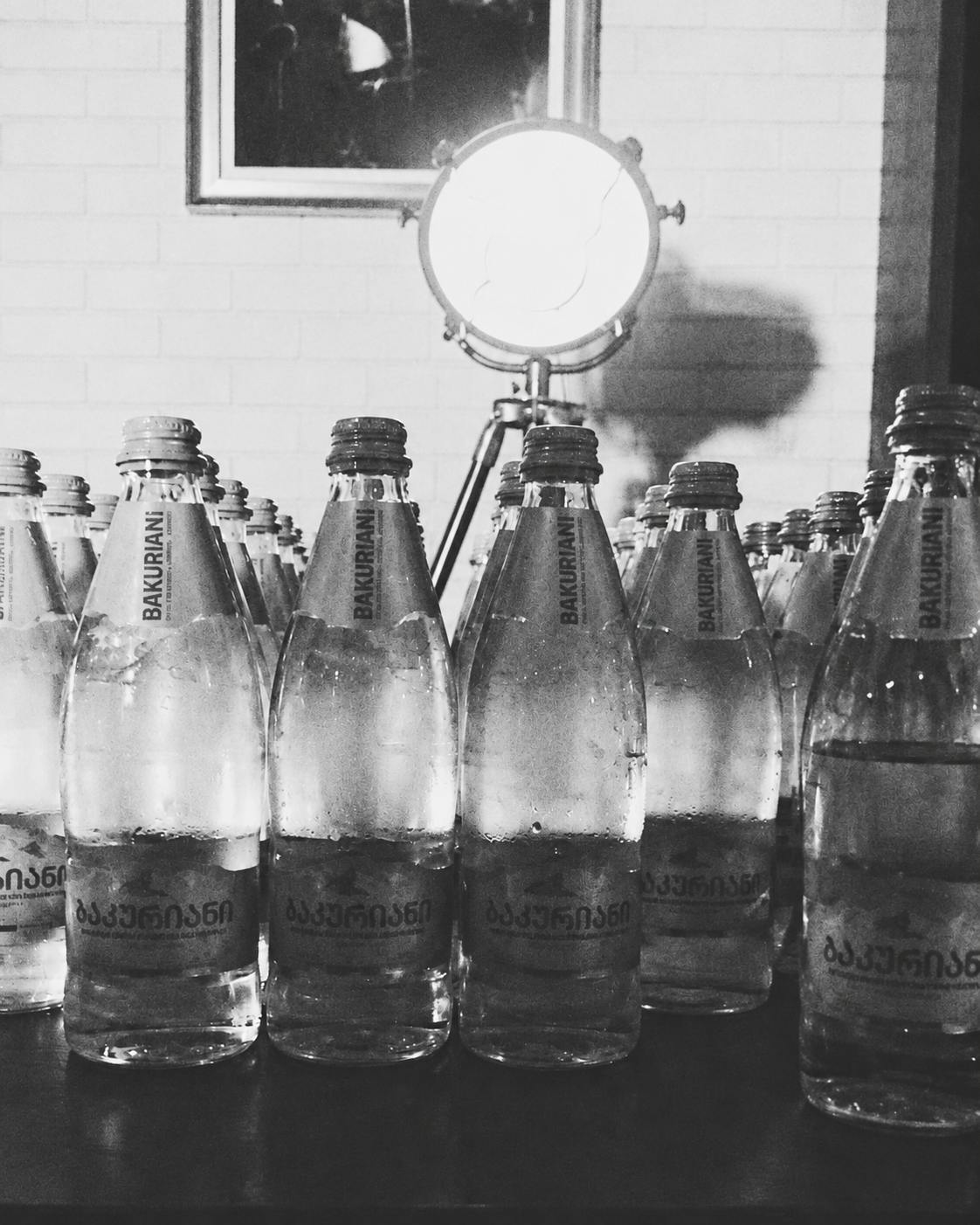
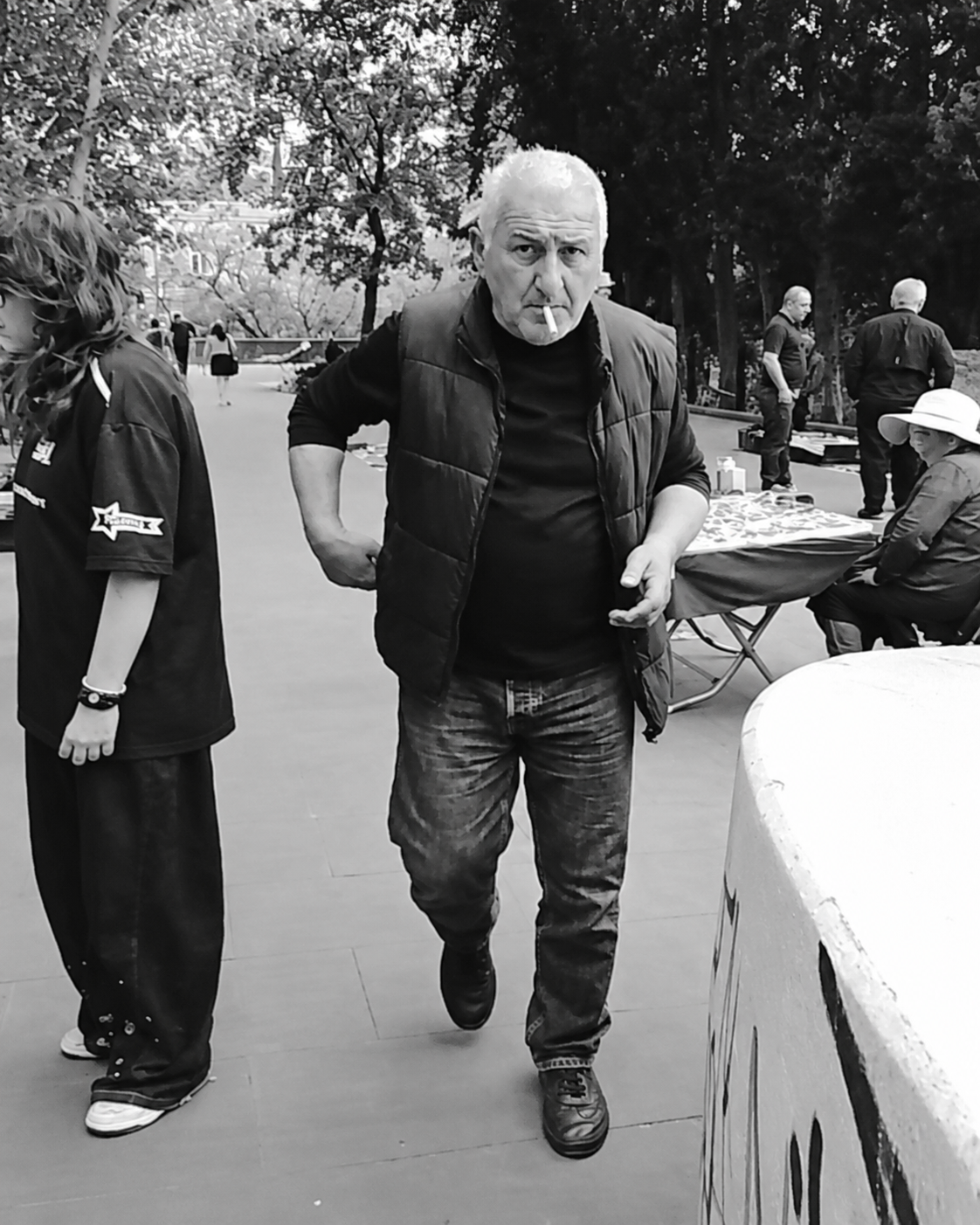
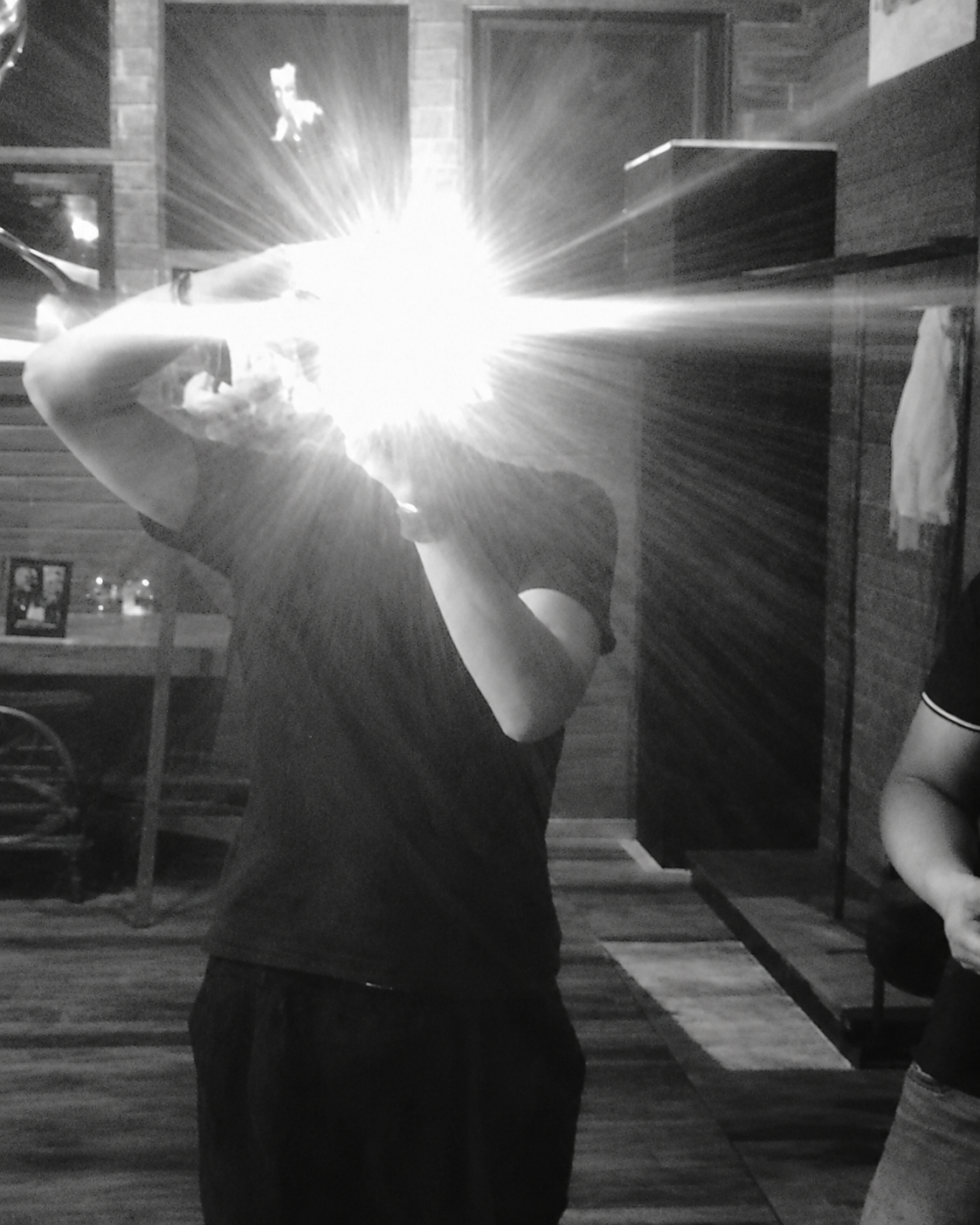
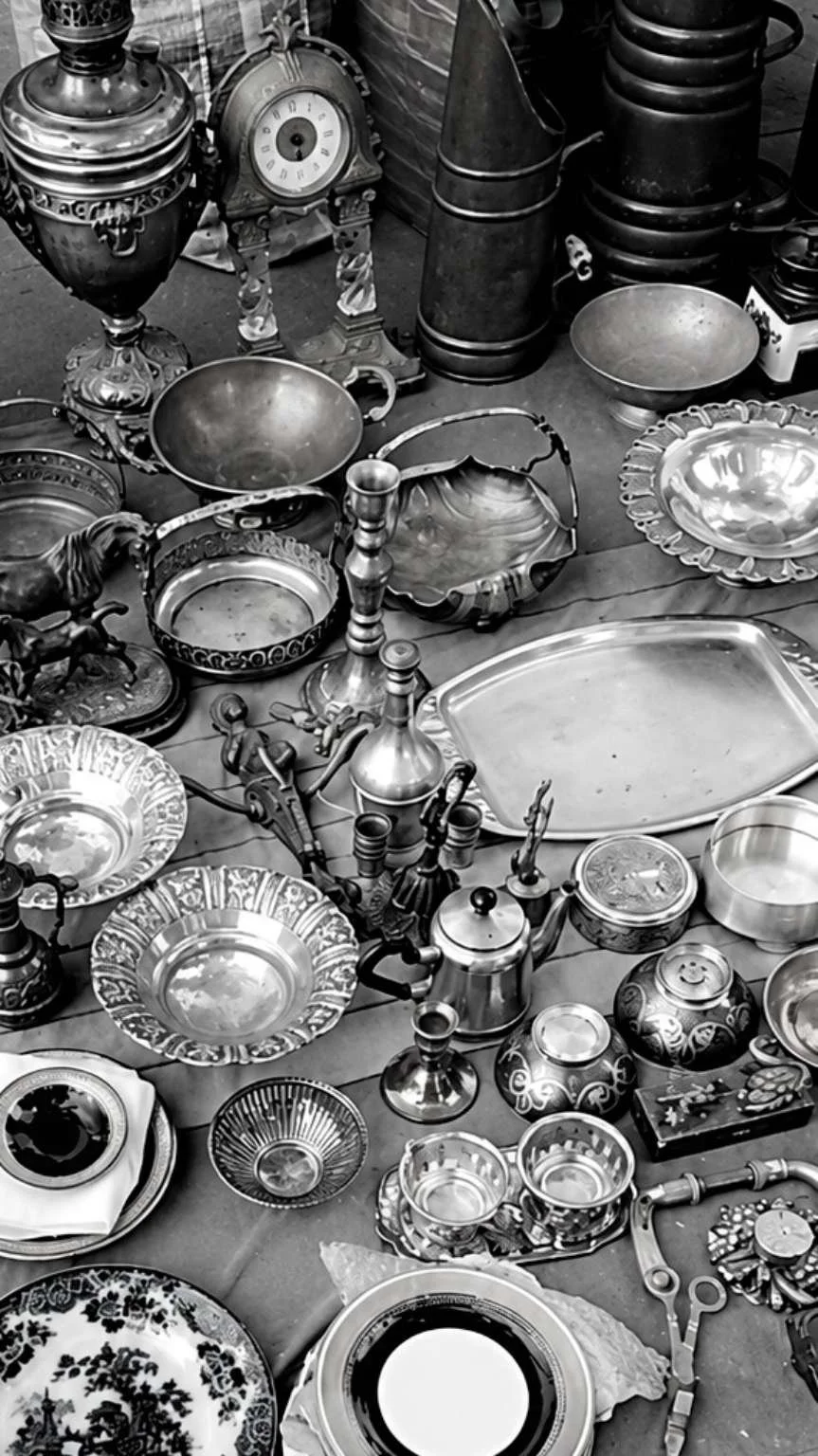
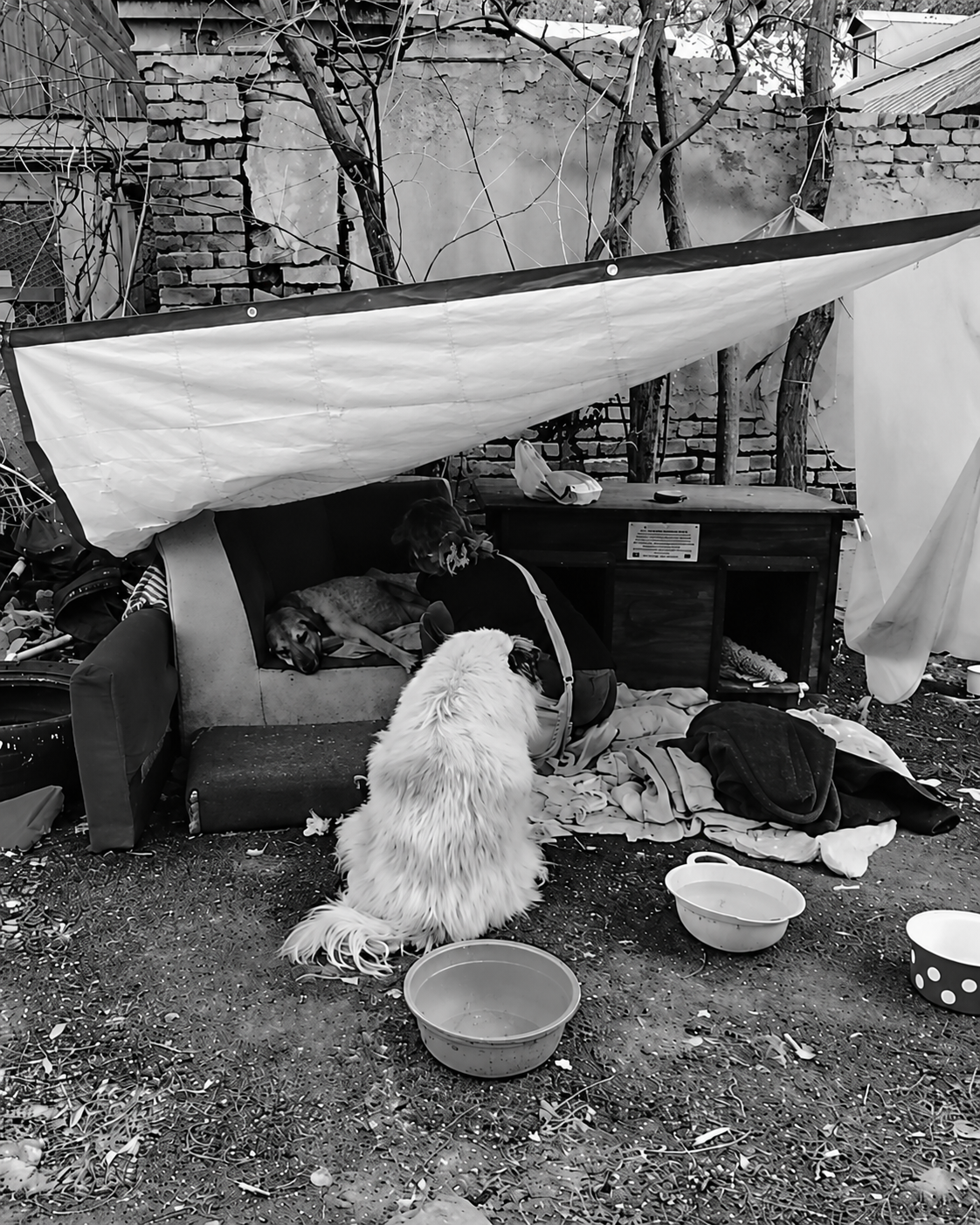
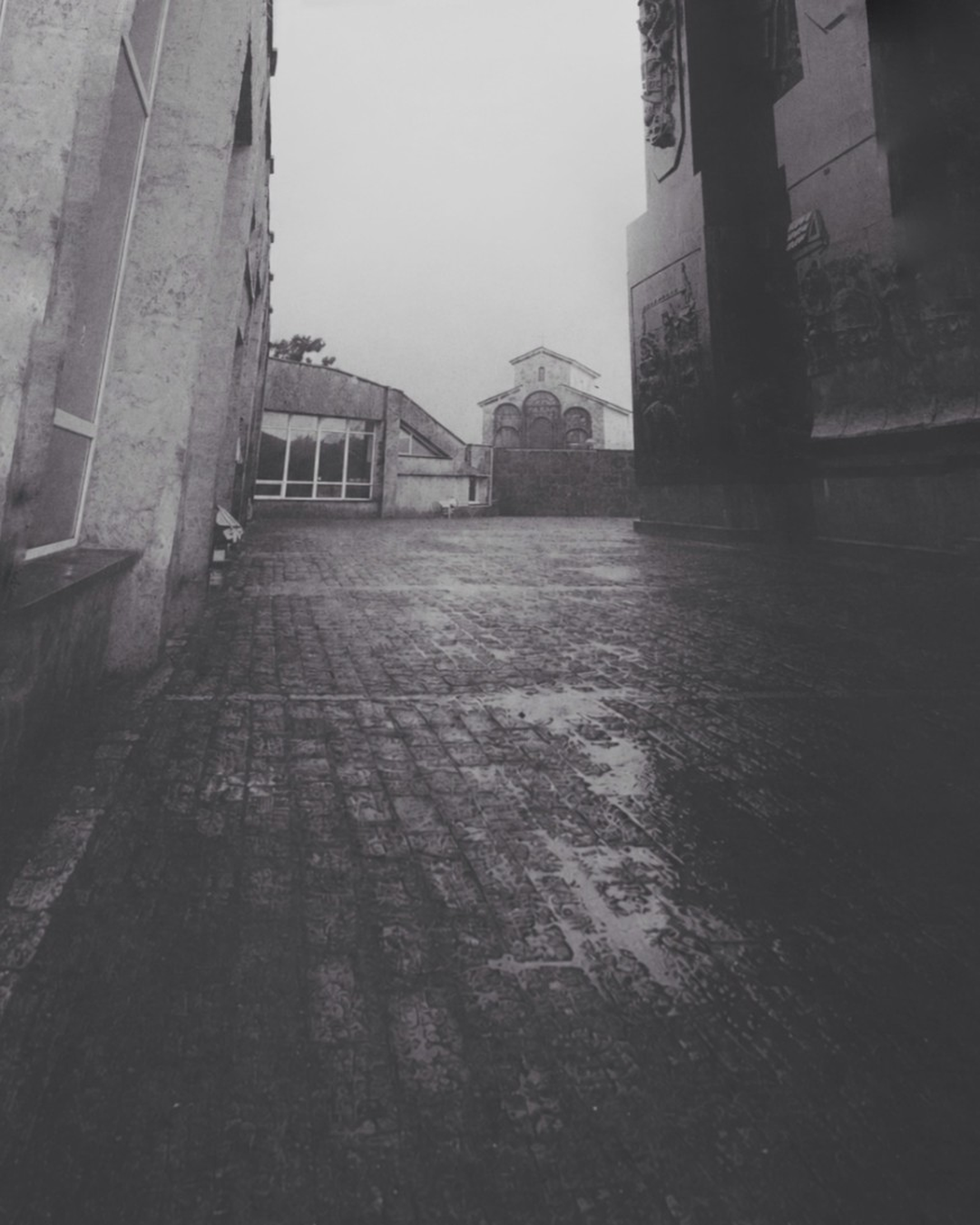
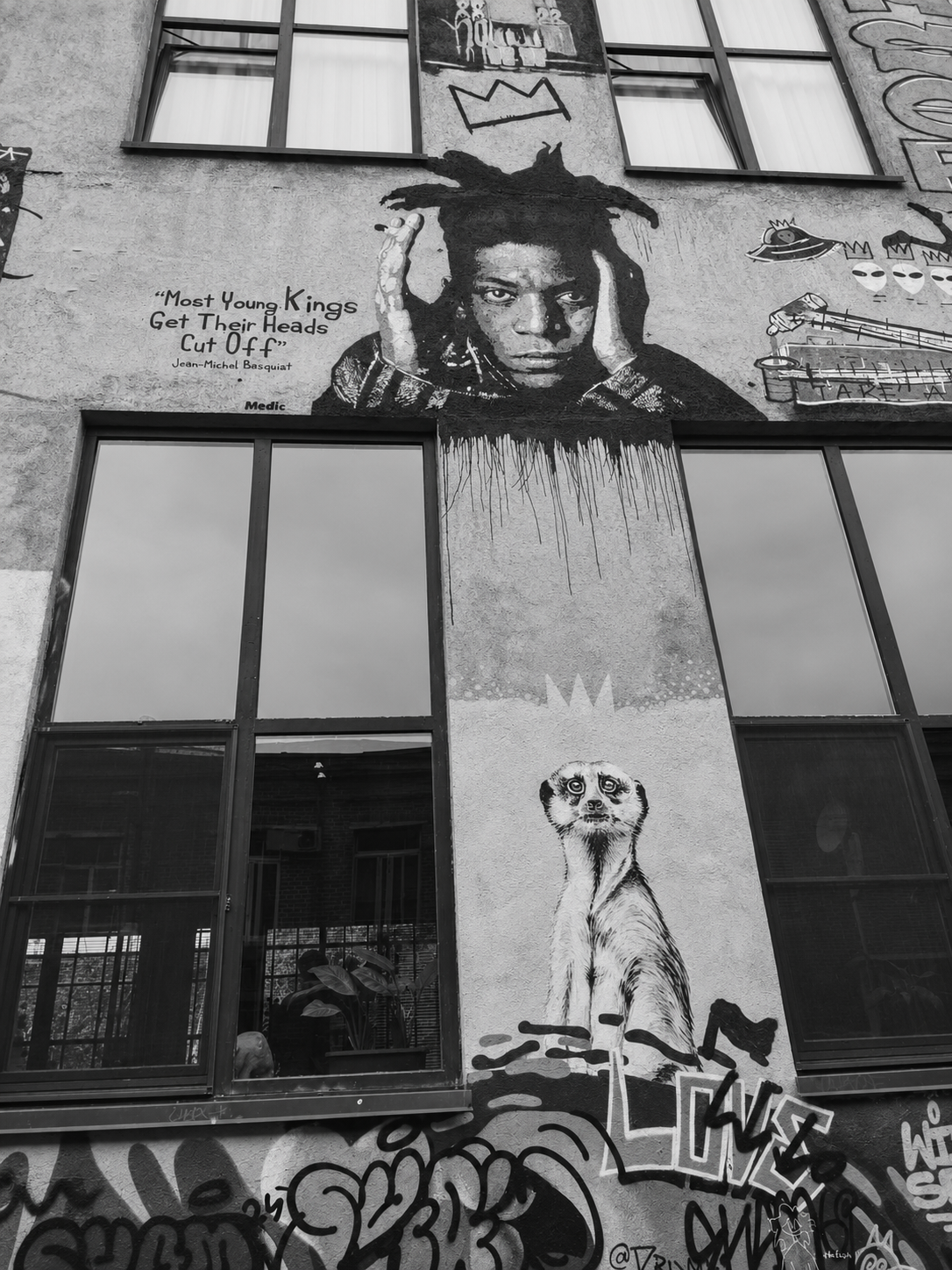
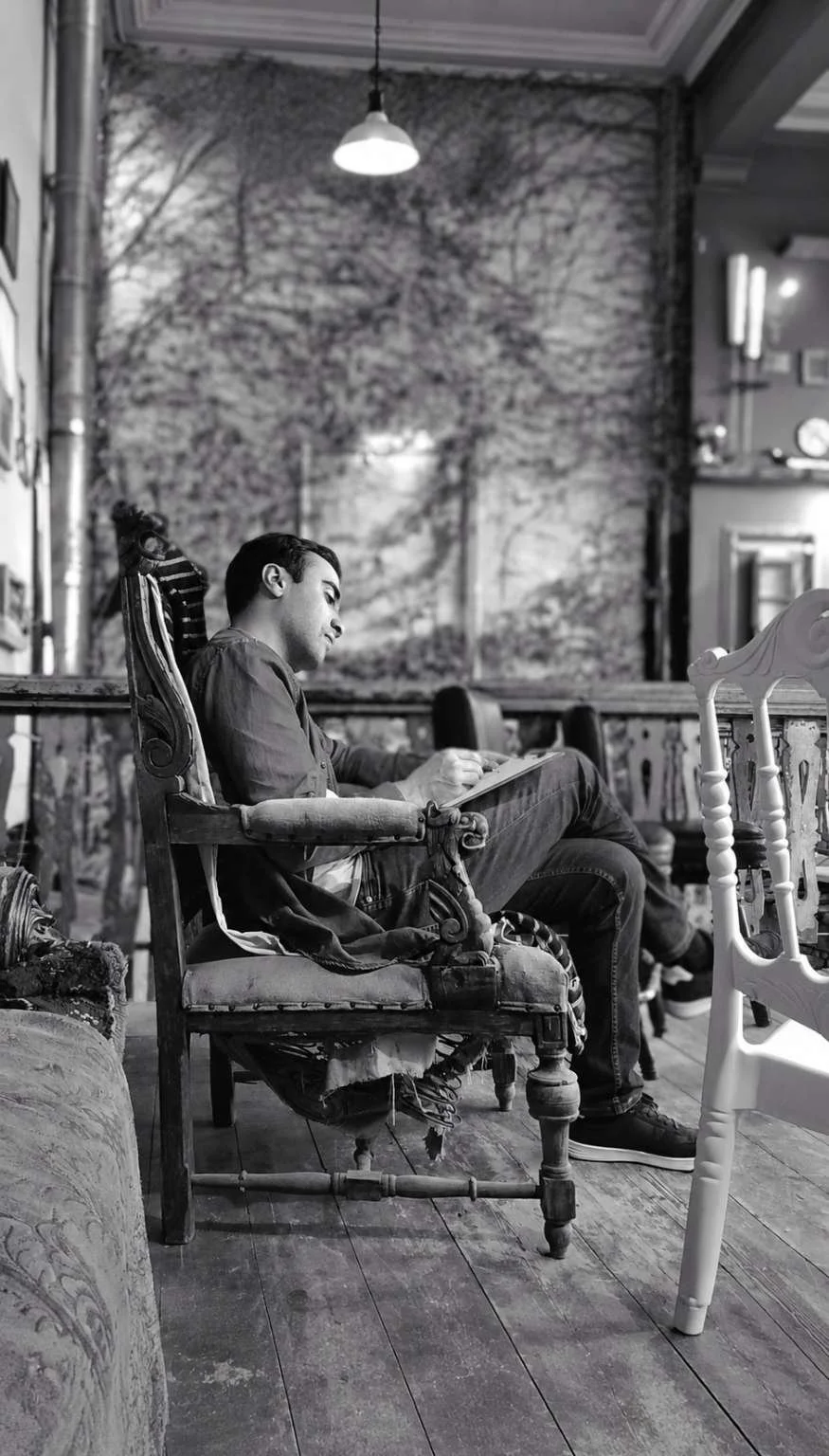
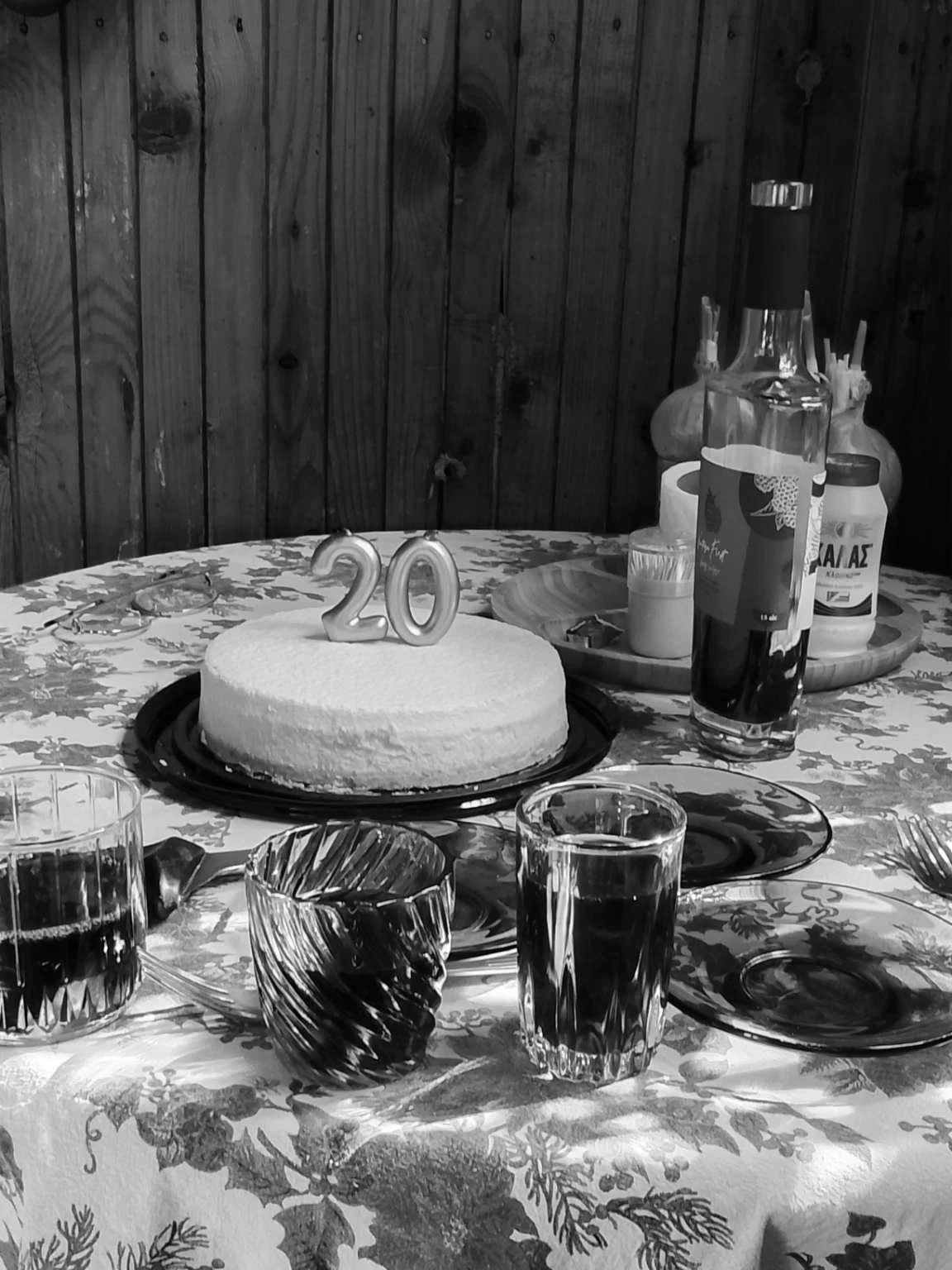
Black-and-white photography drew attention to light, shadow, texture and the relationships between people and their surroundings. The love songs introduced tenderness, longing, humour, disappointment, heartbreak, confusion and aggression. Together, the photographs and songs expressed the changing emotions of my relationship with the city while allowing viewers to bring their own associations to the work.
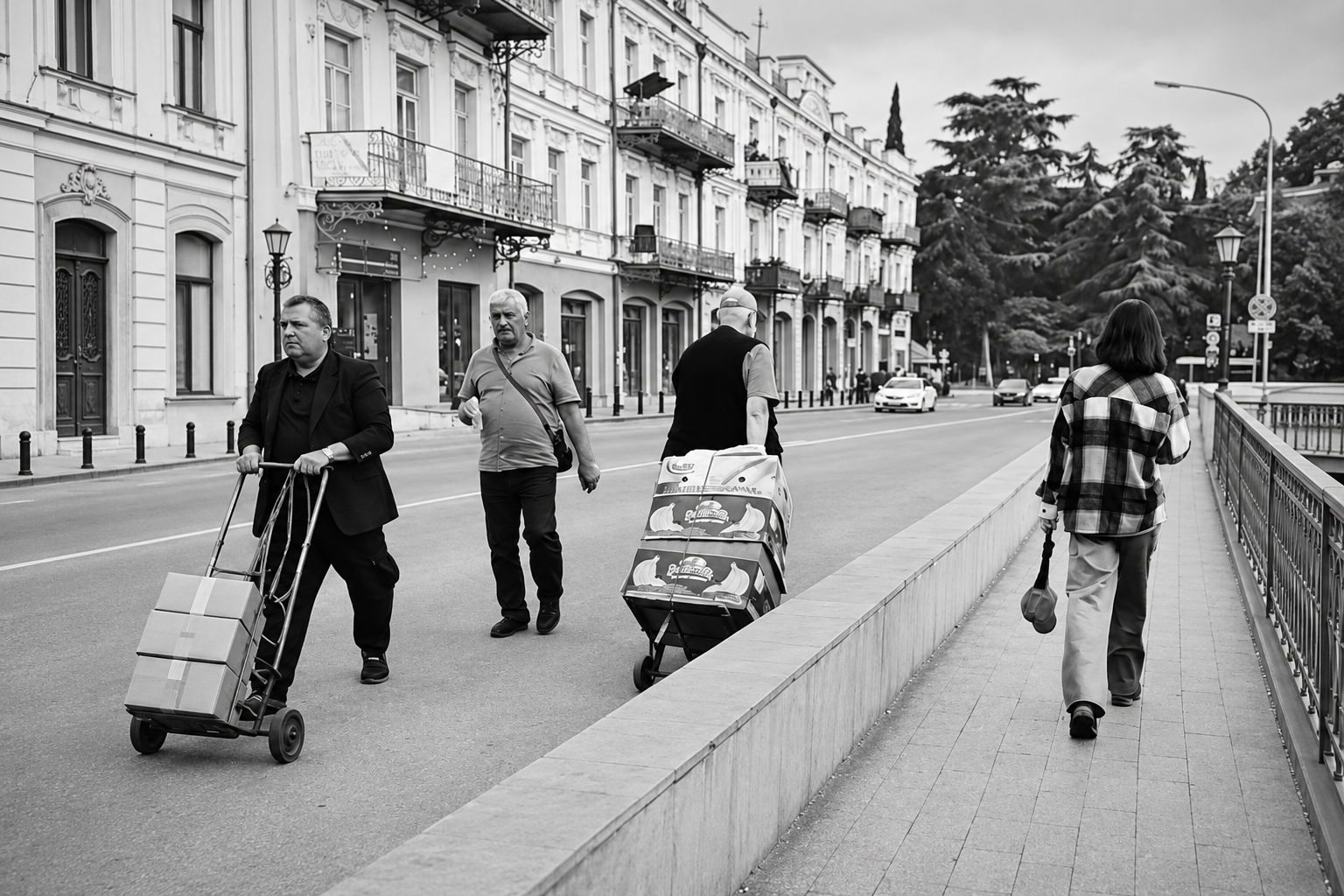
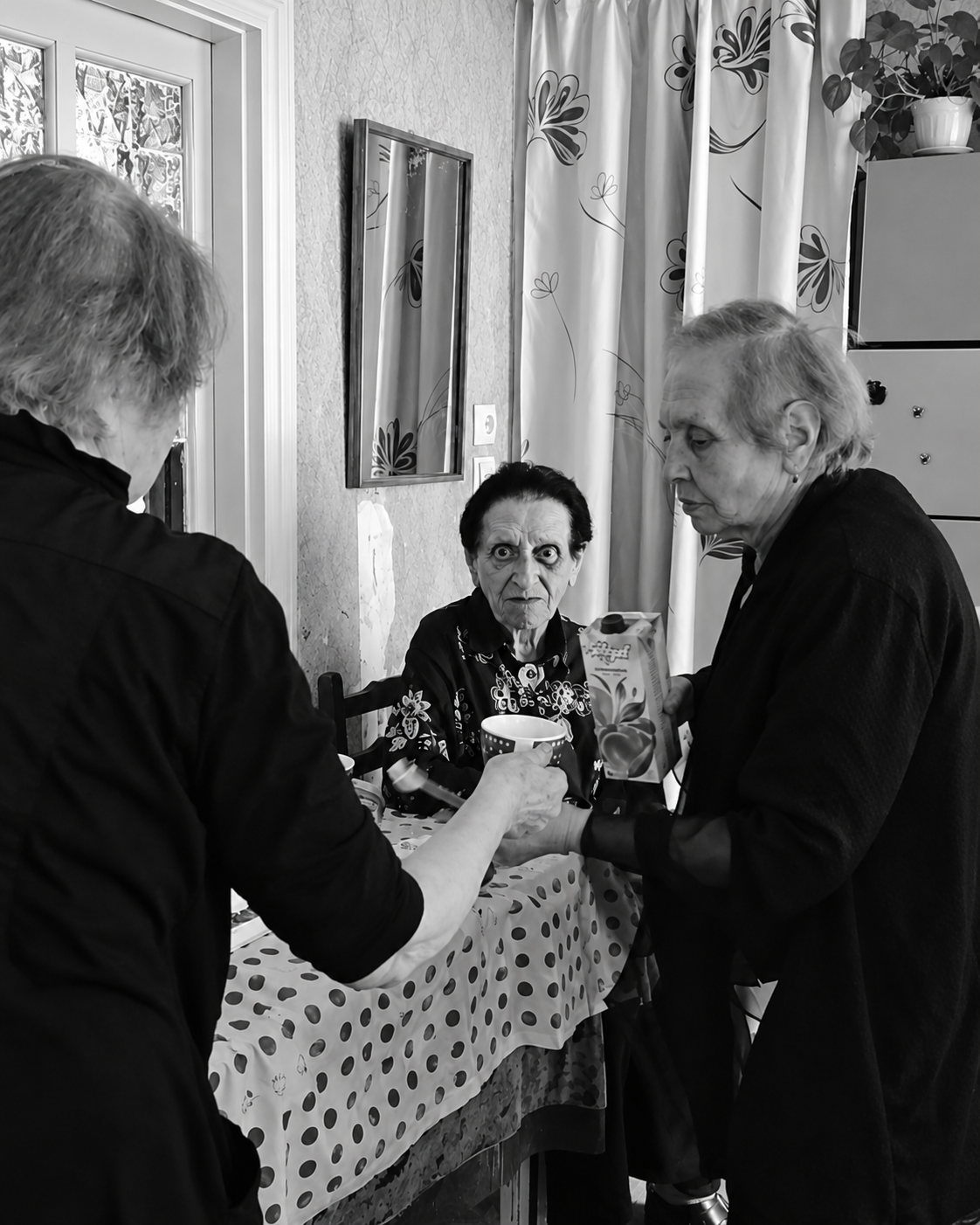
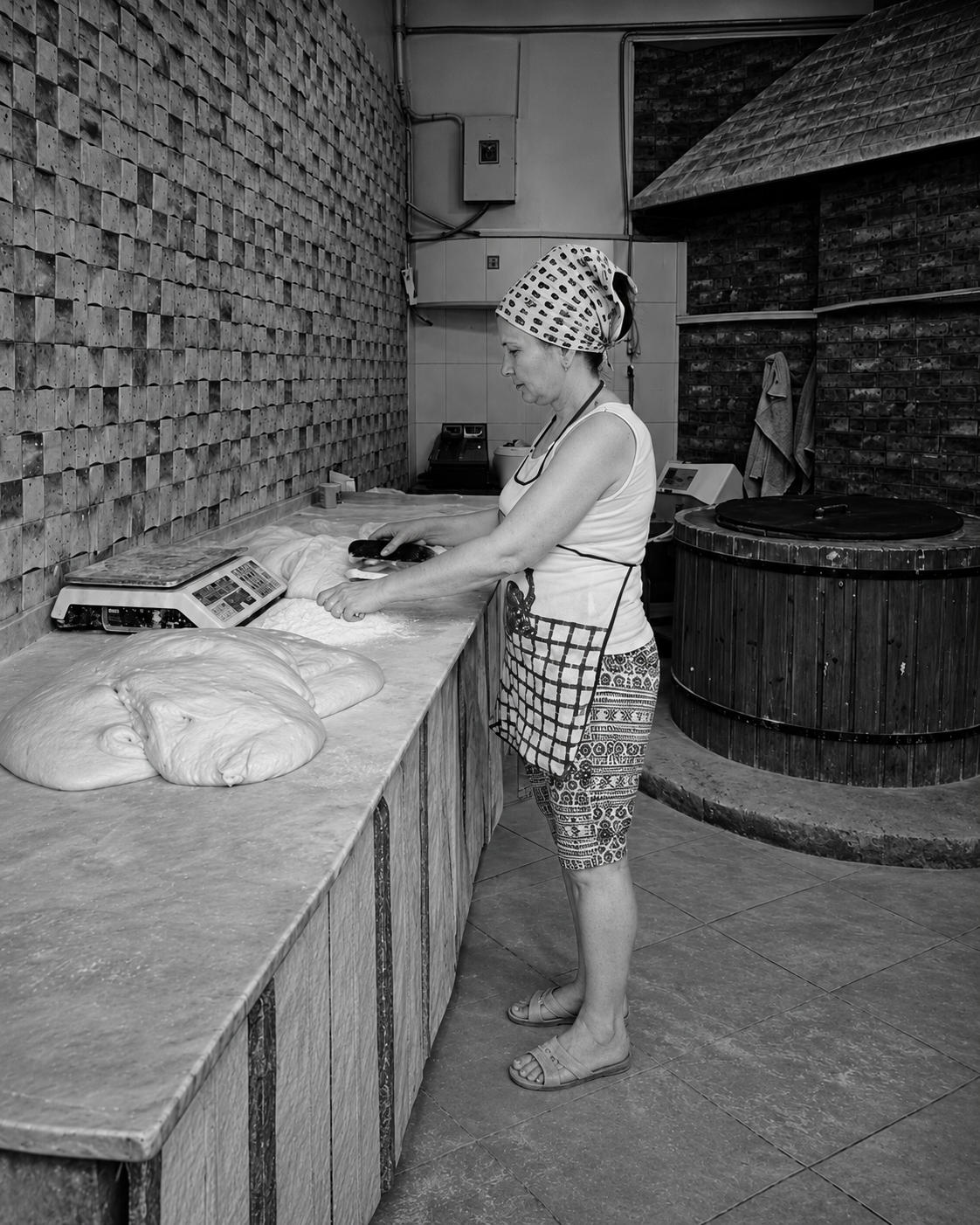
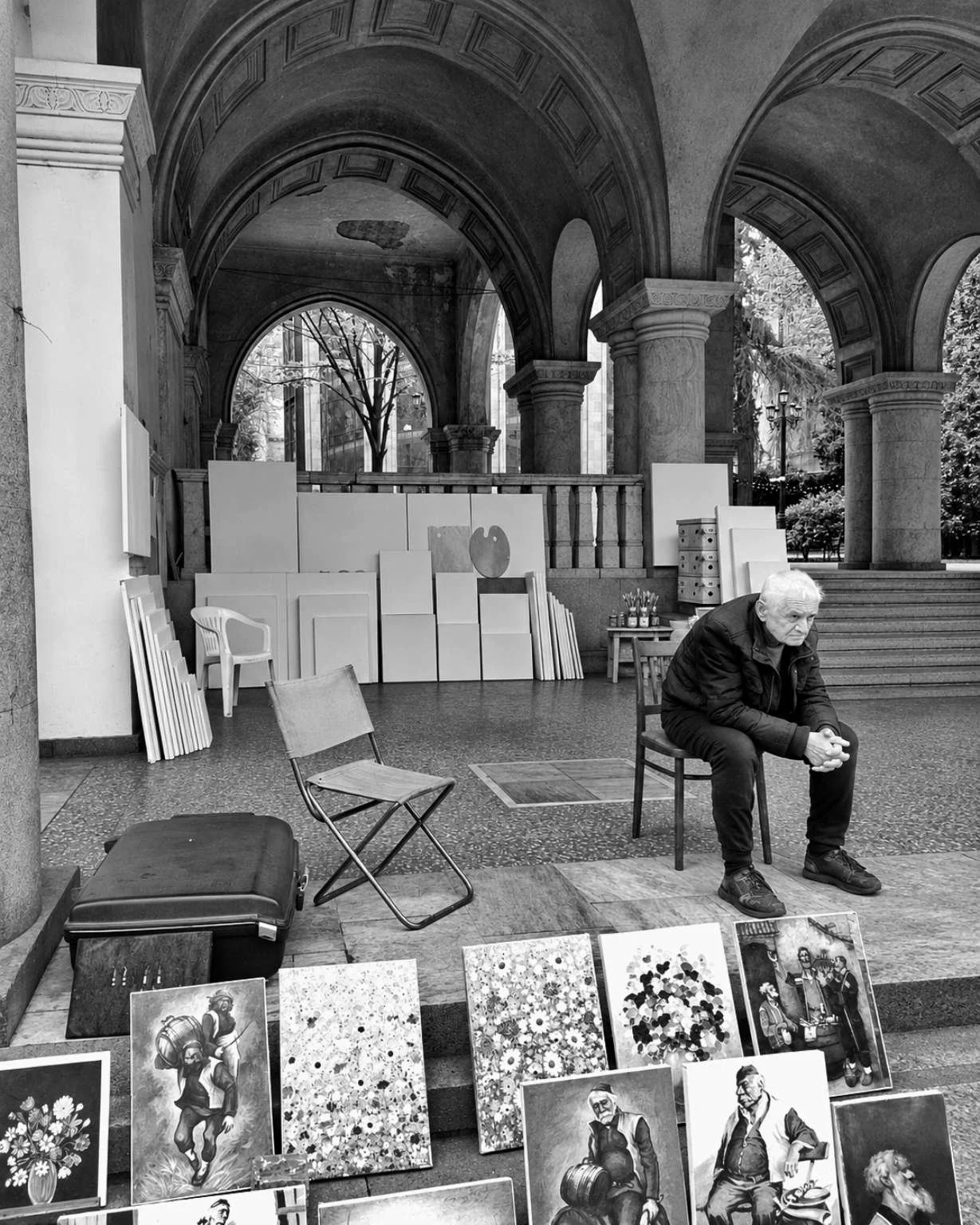
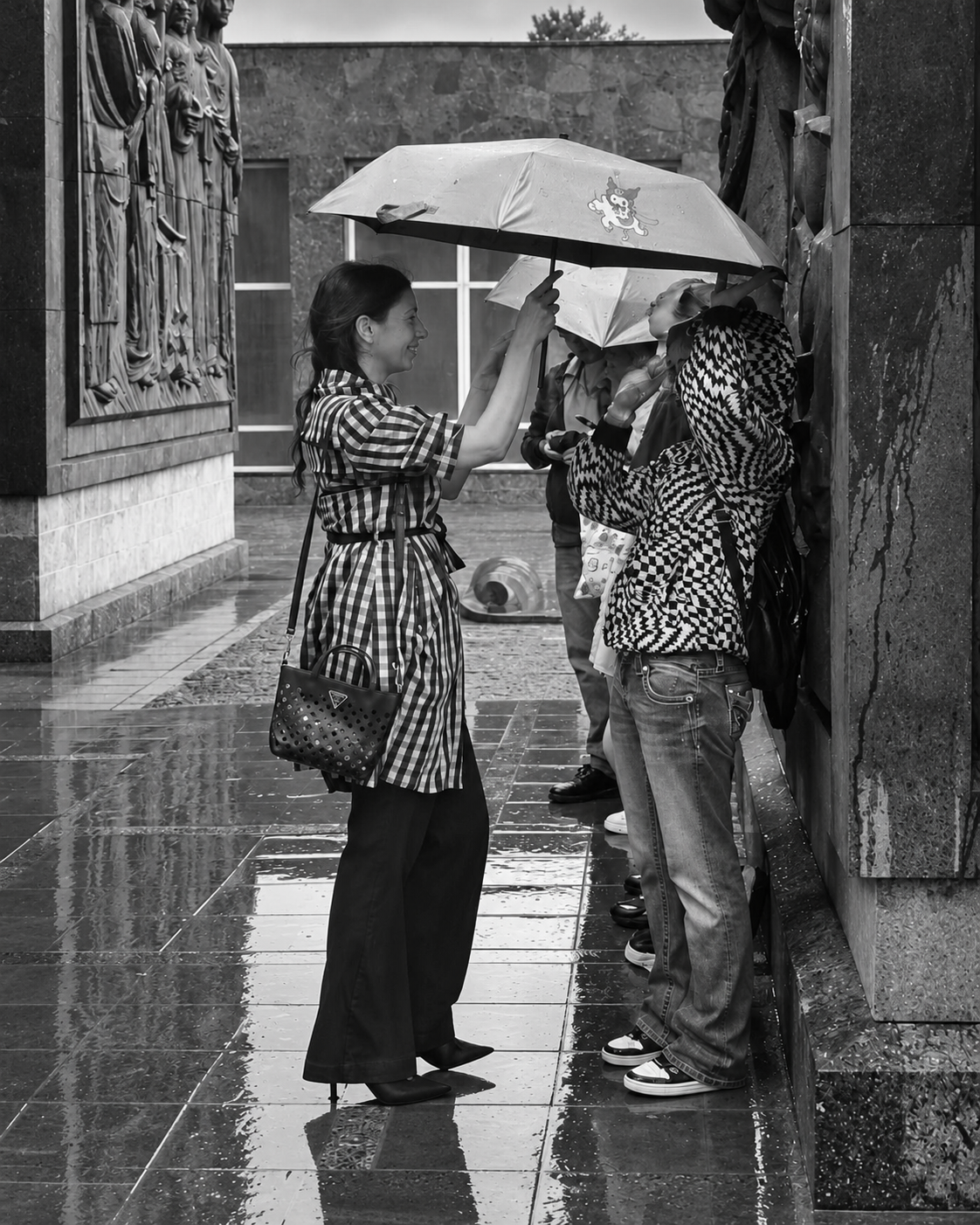
Portrait and street photography formed the basis of my approach. Working in English and communication has heightened my attention to non-verbal exchanges: expressions, gestures, acts of care and the ways people offer or withhold welcome. The photographs reflect this interest in how people communicate through everyday life.
My approach centred on entering spaces with curiosity, caution and sensitivity. The intention was to experience and connect with a place before turning an encounter into a transaction or a finished work. This required acknowledging that my interpretation as a foreign visitor could not fully represent the experiences of the people photographed. A photograph could suggest a story while leaving much of that life beyond my understanding.
IMAGE, MUSIC AND INTERPRETATION
The project developed my interest in the seductive power of music and image together. A photograph accompanied by a song can create an immediate emotional connection, drawing a viewer into a story before they have considered what it means. The combination can feel intimate and personally significant, even when its intended meaning is uncertain.
I am particularly interested in how this operates on social media. In the early stages of a relationship, an image accompanied by a song can feel like a message intended for us. It may stir desire, hope, suspicion or fear, setting the mind racing without any certainty about the other person’s intentions.
What begins as playful or seemingly frivolous emotional expression can be interpreted as affection, rejection, anger or a threat. A viewer may recognise the intended feeling, misunderstand it entirely, or find a personal message where none was intended. The consequences can be profound.
Within Love Songs to Tbilisi, this ambiguity became part of my reflection on communication. Image and music could offer pleasure and connection while also revealing the risks of assumption and projection. Their power lay partly in what I selected and paired, and partly in the memories, vulnerabilities and expectations each viewer brought to the encounter.
AUDIENCE PARTICIPATION AND FEEDBACK
The exhibition reached viewers in the UAE, China, Georgia, the United Kingdom, Australia and the USA. Audience participation included contributing love songs, which I paired with photographs and presented as individual dedications.
These contributions introduced perspectives and associations beyond my own, extending a personal photographic account into a shared exchange. Music provided an accessible point of connection, allowing viewers to bring their own relationships and memories into the exhibition.
Feedback was informal and received through Instagram responses and engagement. Viewers commented on the distinctive combination of black-and-white city photographs and love songs, describing the music as adding another dimension to the images. Responses also drew attention to textures, architecture, murals, doors and ordinary life, including the quiet poetry of light and shadow.
Recurring viewers followed the exhibition throughout its presentation. Their messages and reactions provided encouragement and indicated ongoing interest. Although these responses did not constitute a formal audience evaluation, they suggested that the relationship between image and music encouraged sustained attention and emotional connection.
This feedback also reinforced the distinction between intention and reception. I could construct a pairing with a particular feeling in mind, but its meaning remained open to the viewer. The responses received offered insight into some experiences of the work, while other interpretations remained unknown.
PERSONAL AND ARTISTIC REFLECTION
Curating the exhibition provided an opportunity to revisit the people and places that shaped my time in Tbilisi. Reviewing the photographs revealed expressions and details that I had not fully recognised when taking them. Sometimes these evoked familiar feelings; at other times, they prompted unfamiliar responses.
This process reinforced photography as a means of reflecting on my own identity and how I live. Looking closely at vulnerability and the fragility of everyday life deepened my sense of care towards the people, places and environments represented. It also reminded me that my interpretation continued to change after the original encounter.
The experience highlighted the importance of boundaries. Openness and friendly intentions do not guarantee mutual understanding. Learning when to engage and when to maintain distance became part of navigating unfamiliar social and cultural settings. These experiences informed my interest in the gap between what is expressed, what is perceived and what is understood.
During my time in Tbilisi, I also sensed an undercurrent of pressure around how foreigners represented Georgia publicly, particularly on social media. I felt an expectation to promote its positive qualities, with little room to express uncertainty, criticism or a different experience. For me, this raised questions about self-protection and the relationship between public expression and a sense of safety.
Having experienced both affection and unease, I found consistently positive portrayals difficult to reconcile with my own encounters. I began to wonder how much of what people shared reflected their experience, and how much reflected what they felt comfortable or safe expressing. I could not know other people’s motivations, but that uncertainty sharpened my attention to what is communicated, what is withheld and what remains beneath the surface.
This tension informed Love Songs to Tbilisi. The work became a way of expressing attachment alongside confusion and discomfort, allowing conflicting feelings to coexist within my personal account of the city.
Pairing the photographs with music brought these questions of expression and interpretation into sharper focus. A song could intensify my feelings about an image or suggest a story that the photograph alone did not tell. This prompted me to consider both the creative possibilities and the responsibility involved in shaping an emotionally persuasive encounter.
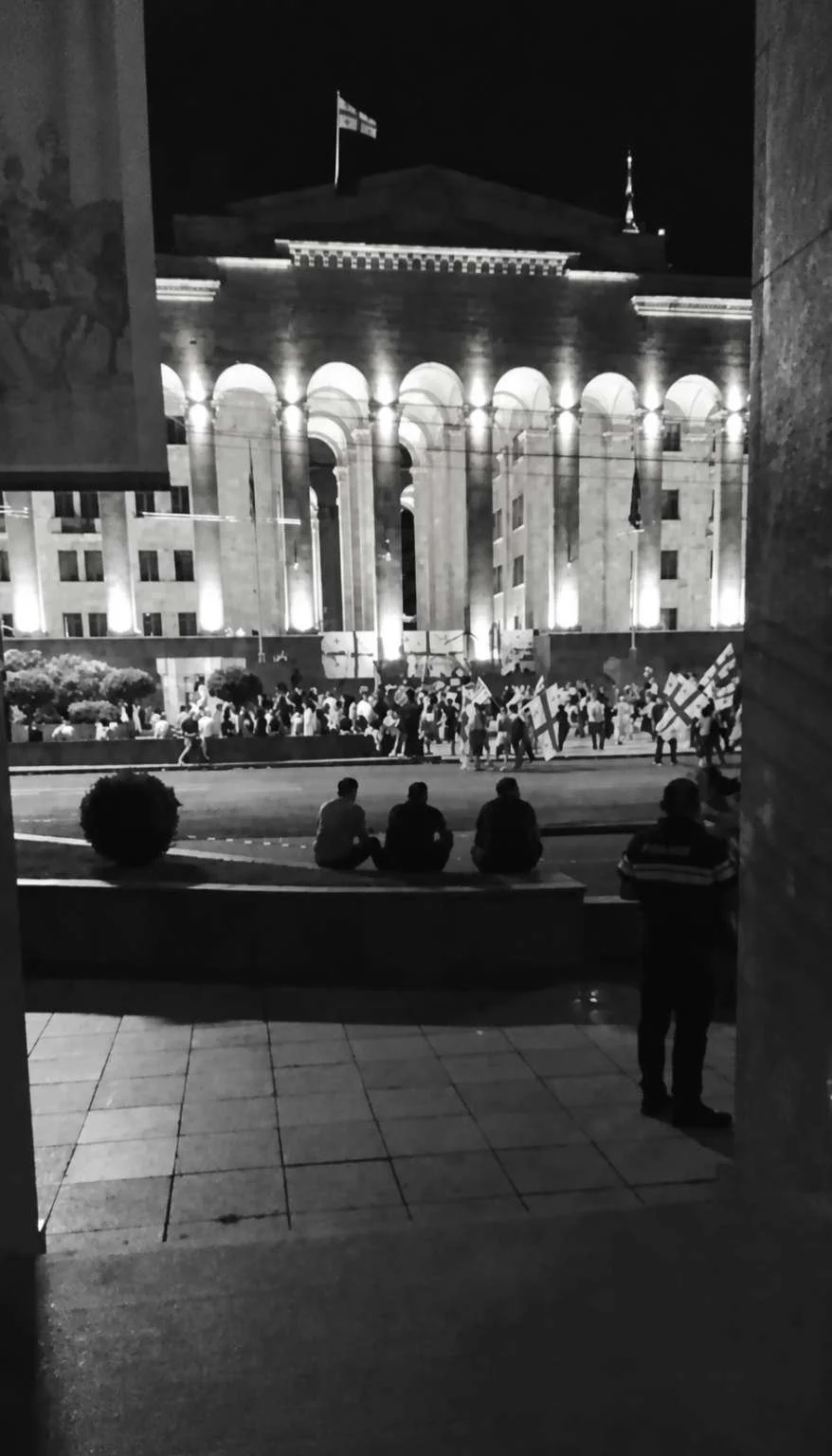
Georgia’s history and political climate informed my reflection on freedom, safety, belonging and the consequences of seeking them. These concerns remained questions within the work, explored through my personal observations and experiences.
Through the project, I considered how beauty, tenderness, hardship and uncertainty can coexist. My attachment to Tbilisi did not resolve its complexities or depend on fully understanding them. The work became a way of acknowledging both that attachment and the limits of my perspective.
OUTCOMES AND CONTINUATION
The project resulted in an online photographic essay that brought image, music and audience participation into a sustained presentation. It developed my practice in photographic editing, sequencing, interpretation and digital exhibition-making.
The temporary Stories format established a daily rhythm, while its short viewing window also created a need for continued access. A curated selection has been retained in the Tbilisi Highlights, providing an ongoing point of entry to the project.
Love Songs to Tbilisi strengthened my interest in photography as a practice of attention, reflection and cultural exchange. It also developed my investigation into the emotional influence of music and image, particularly how quickly connection can form and how easily meaning can shift.
The project invited viewers to look closely, consider how their own experiences shape interpretation, and recognise the difference between feeling connected and understanding another person or place. Its continuing development will explore further ways to present the images while preserving the sensitivity and curiosity that informed their creation.
Get in Touch
Every project opens a new conversation. If this work resonates with you, I welcome inquiries about exhibitions, creative collaborations, art residencies, community projects, and opportunities to bring people together in Australia and Internationally.